Five MBTI Tests, Same Result
Over the past couple of years, I have taken the MBTI test five times, and the result has always been “INFJ-A.”
The questions changed a few times, and I was not always in the same state of mind when answering them, but the result never changed. That makes me think MBTI is at least somewhat accurate in describing my personality.
I read through the INFJ profile on 16Personalities. Quite a lot of it fits me, although some parts feel overstated.
The INFJ descriptions mentioned in this article come from 16Personalities .
The Parts I Relate To
I Like Getting to Know People
I am fairly introverted and not good at taking the lead in lively group settings, but I do not mind meeting new people.
Rather than talking about work, the weather, or what someone has been busy with lately, I prefer hearing about their experiences: where they grew up, what their family environment was like, what they have been through, and how they came to think and behave the way they do now.
I have always been curious about how different upbringings shape a person.
I usually do not press people to talk about things they would rather keep private. I listen to whatever they are comfortable sharing. When we happen to reach a subject that interests both of us, I genuinely enjoy the conversation.
I Care About Order
The site’s description of being neat and organized also fits me fairly well.
I like keeping things in fixed places, working out the order of a task before I begin, and preventing my desk and files from remaining messy for too long.
This was my workstation for two years.
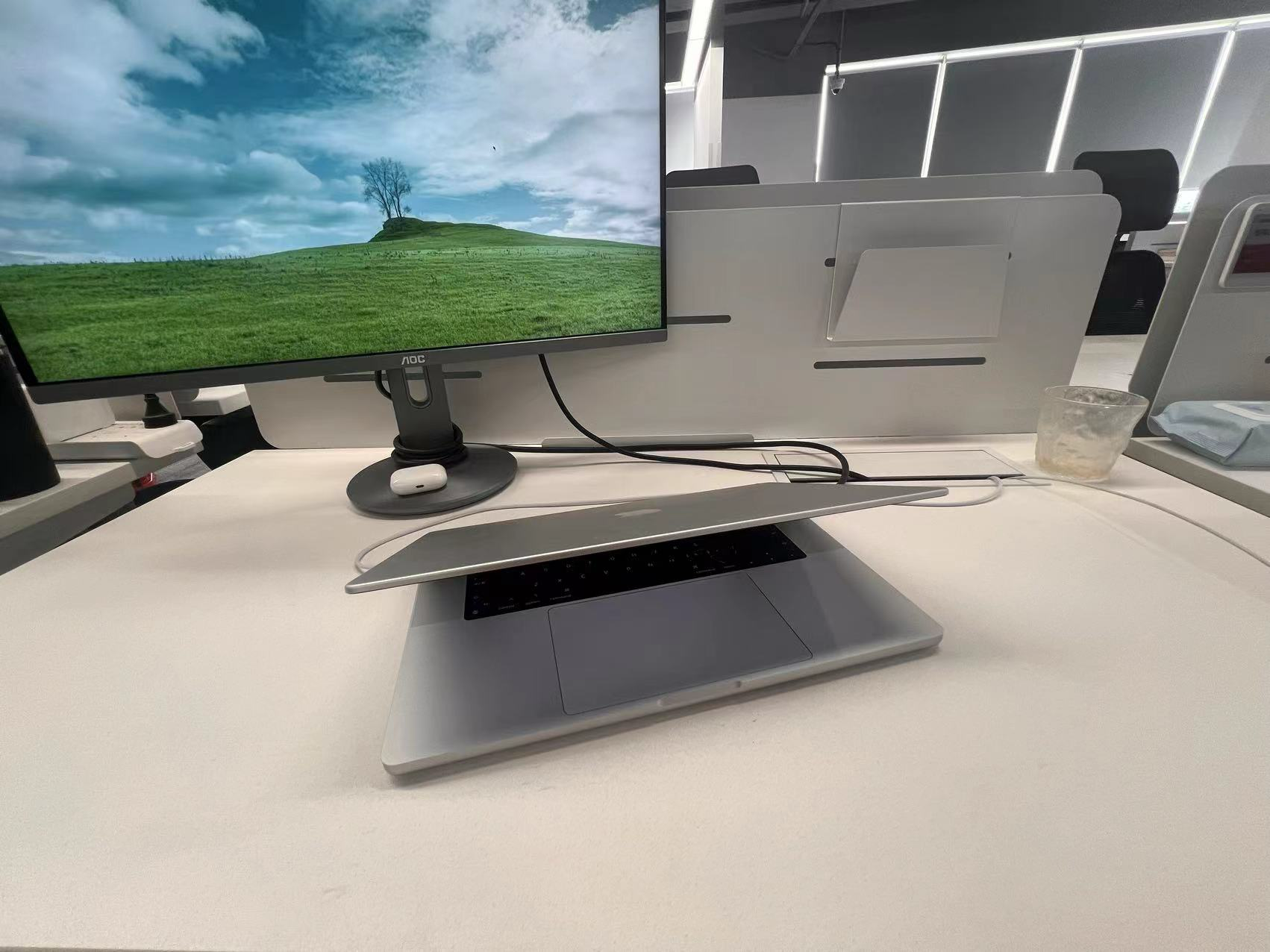
These are mainly standards I set for myself. As long as it does not affect me, I do not care how other people arrange their things or organize their work.
Principles Matter to Me
When I make a judgment, I care about whether something is reasonable and internally consistent.
When I clearly disagree with something, I find it difficult to accept it simply because doing so would be easier. Even when I eventually have to compromise, I want to understand why I am compromising. I do not assume something is right just because everyone else does it.
That said, I rarely initiate arguments about values anymore.
There are things I dislike, but I do not rush to conclude that the other person must be wrong. I would rather keep my own view while accepting that other people can live according to theirs.
Some Descriptions Go Too Far
The INFJ profile on 16Personalities is written in very positive terms. It describes INFJs as caring about others, being willing to help, and wanting to stand up for what is right.
None of that is completely unrelated to me, but I think the wording goes too far.
I am bothered by obvious unfairness, and I dislike behavior that considers only personal interests while ignoring everyone else. Most of the time, however, I do not step in, and I do not feel responsible for changing the situation.
What matters more to me is handling my own life well and taking care of the people I care about.
The site also describes INFJs as being dissatisfied with an ordinary life. That part does not fit me very well.
What I want is precisely a fairly ordinary life: a stable income, time of my own, and no need to do too many things I dislike simply for other people’s approval.
I am not against achieving better results, but I do not want to prove anything through status, fame, or outside recognition.
I Think MBTI Is Fairly Accurate
I once discussed the difference between MBTI and astrology with a friend, and I came up with an analogy.
Suppose I take an exam and score 90 in physics and 60 in chemistry. Based on those results, I can reasonably say that I am currently better at physics.
I see MBTI in a similar way. It uses a set of questions to group my choices and tendencies into a personality type.
Astrology does not ask me any questions. It draws conclusions about my personality from my date of birth. To me, the two approaches are not the same.
Of course, an MBTI result can still be affected by the wording of the questions, my state of mind, and how well I understand myself. Even so, getting the same result five times in a row, with most of the description matching my actual experience, is enough for me to see some value in it.
At least for now, INFJ is a fairly accurate summary of me.
That does not mean every sentence on the website is accurate. Some descriptions fit me, some only partly fit, and some are clearly overstated.
But in terms of the overall tendencies, I think the result is fairly accurate.
That is all for now. Happy Lunar New Year.