Guilin, Longsheng, and Yangshuo
I’ve always had a soft spot for landscapes. Growing up, I’d heard the saying “Guilin’s scenery is the finest under heaven,” and this time I finally made the trip during a holiday. This was my first solo trip — 7 days covering quite a few places. Before departing, I saw many posts on Xiaohongshu saying “you’ll want to leave Yangshuo after one day,” mostly complaining about tourist traps. But after experiencing it firsthand, the reality was quite different from what I’d read online.
For getting around: in Guilin city, I recommend a combination of shared e-bikes and ride-hailing. In Yangshuo, just rent an e-bike from your hotel — usually no deposit required (renting elsewhere requires one). Go for the bigger battery option; it’s slightly pricier but the extended range is worth it for visiting attractions.
If I were to subjectively tier the attractions I visited: Tier 1 would be the Li River three-star cruise, Yulong River bamboo rafting, the Thousand-Mile Landscape sunset viewpoint, and simply cruising around Yangshuo on an e-bike. Tier 2 would be Guihai Qinglan and Longji Rice Terraces. Places like Zhengyang Pedestrian Street, Elephant Trunk Hill, and Sun & Moon Twin Pagodas — I don’t think they’re worth a special trip. Not that they’re bad, but they’re too homogeneous; your hometown probably has something similar.
Guihai Qinglan
Guihai Qinglan is on the outskirts of Guilin proper, but the city is small and shared e-bikes are everywhere, so getting there isn’t a hassle. My hotel was near the Two Rivers and Four Lakes scenic area — about a 25-minute ride. Note that 1-2 km from the park, you’ll leave the e-bike service zone. Local aunties offer rides for 5 yuan to take you the rest of the way — very affordable.
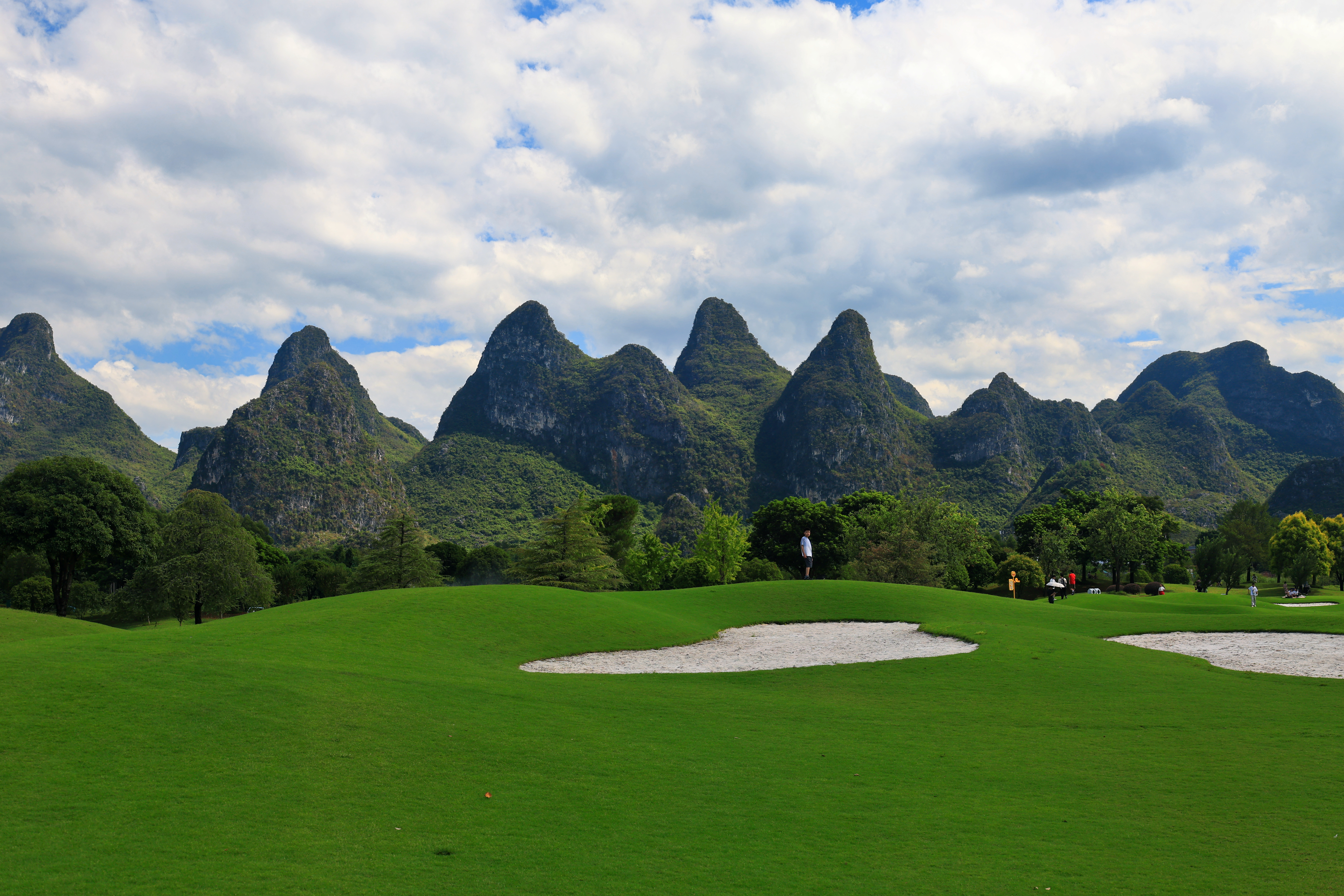
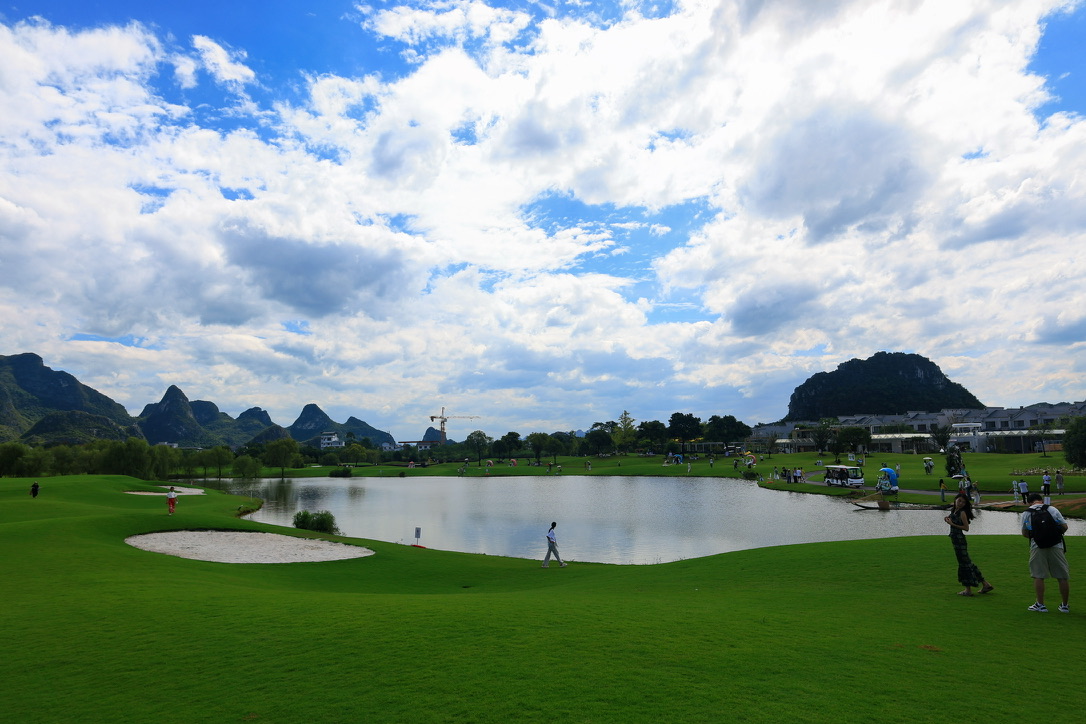
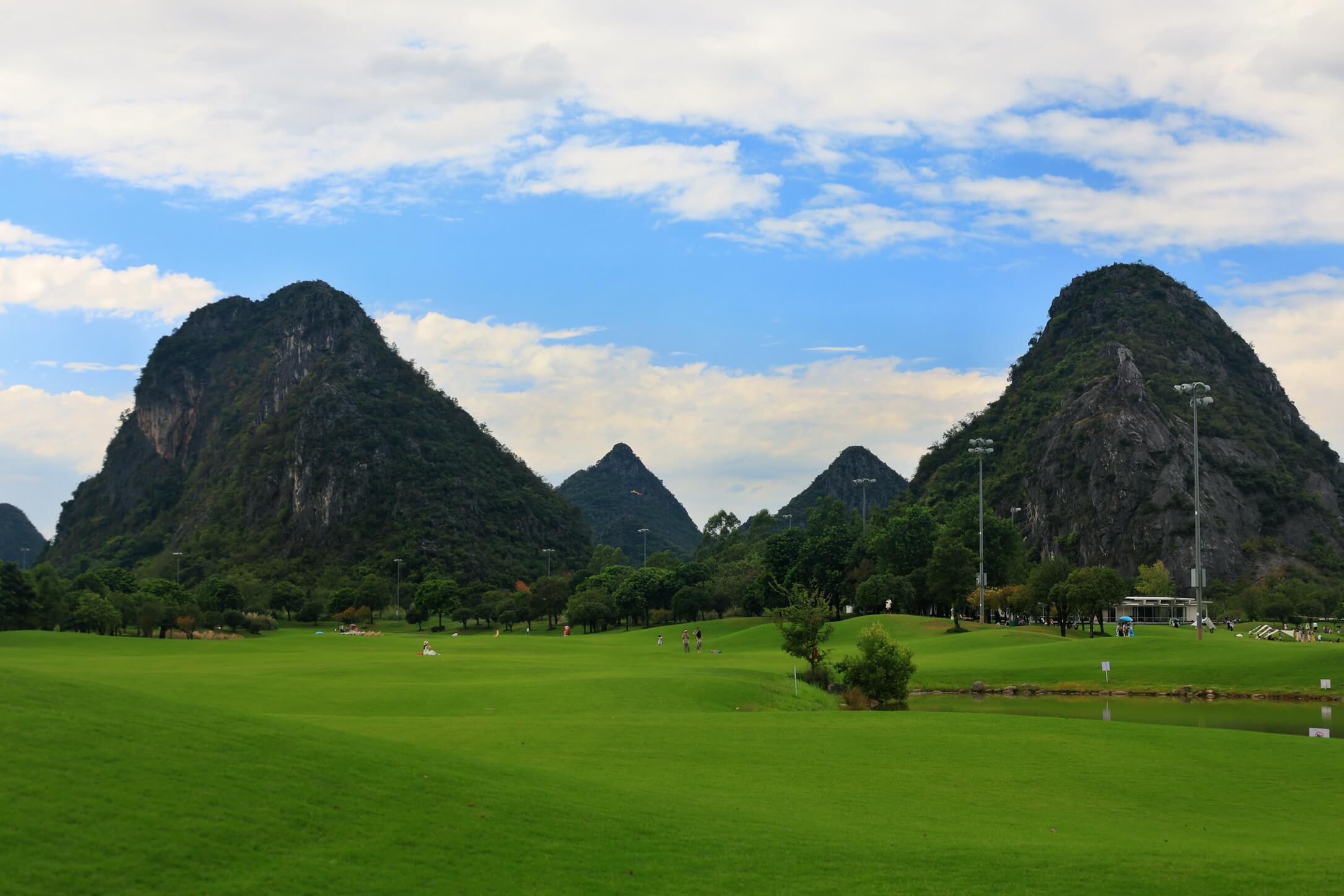
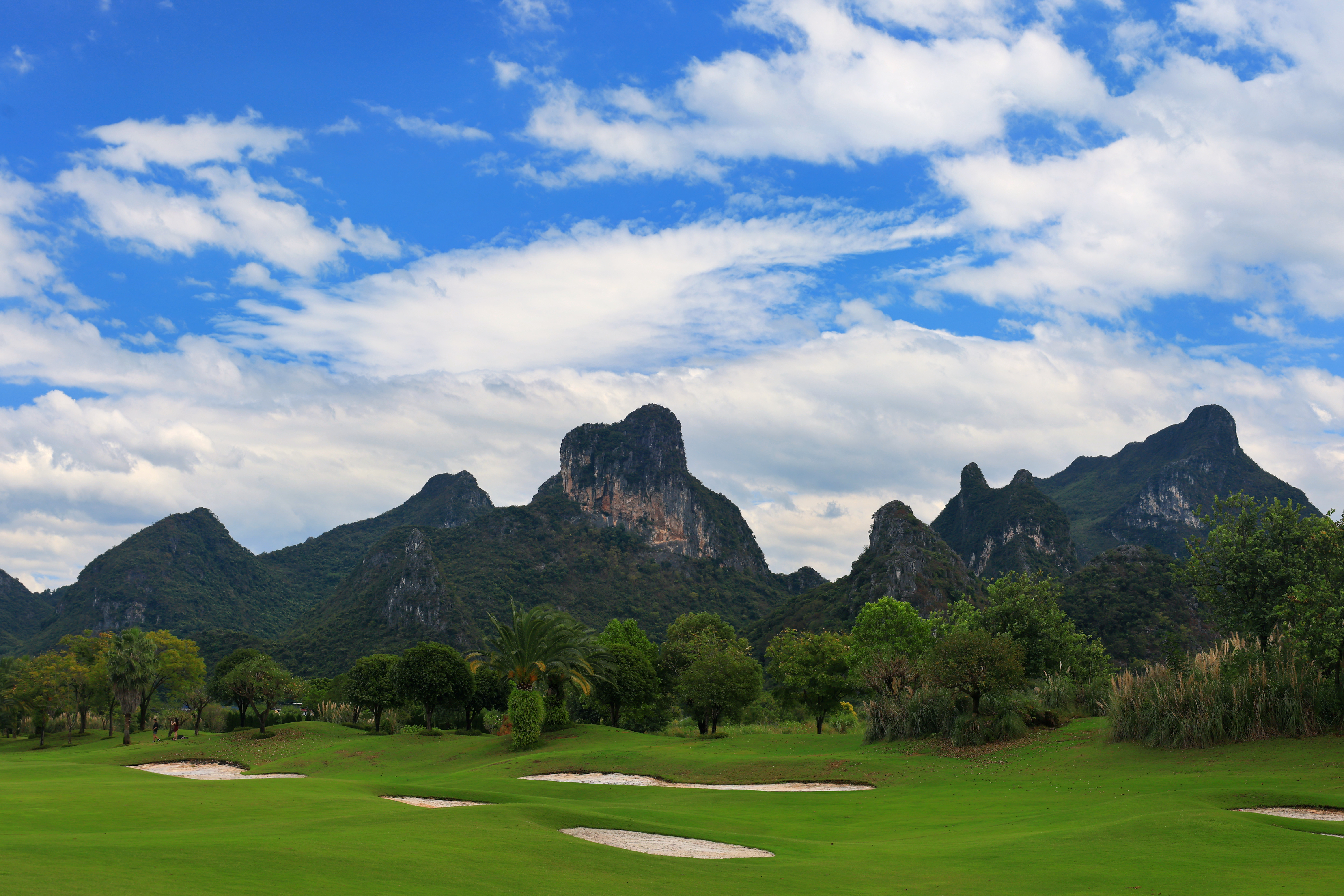
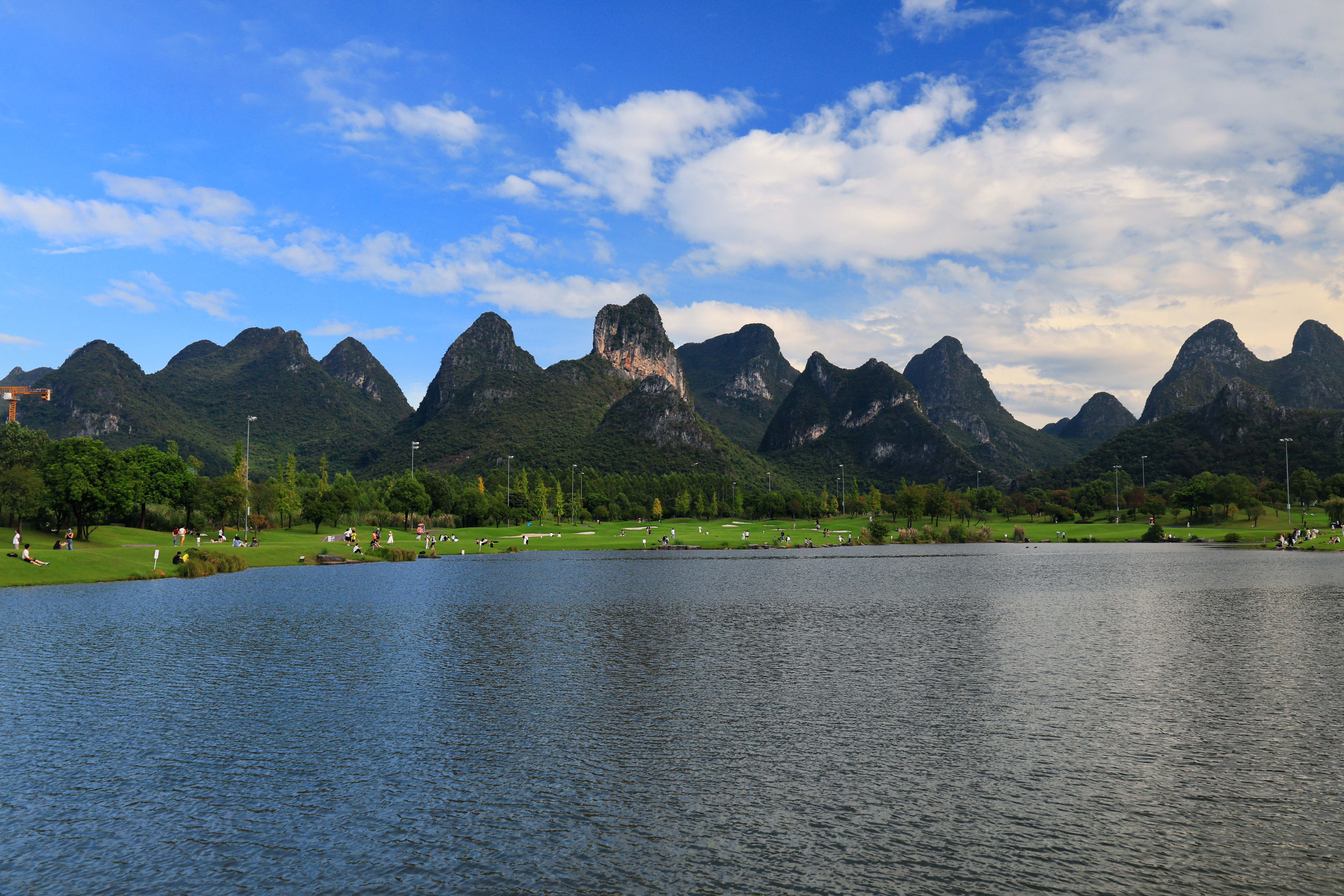
The entire park feels like a scenic golf course — sprawling lawns, crystal-clear lakes, and rolling mountains in the distance. It’s like stepping into a fairytale. The park is huge, so take your time wandering. Find a nice spot, lie on the grass, and watch the sky meet the water — incredibly relaxing. The only downside is the heat; October in Guilin means intense sun on these open lawns until around 4 PM when it finally cools down. The park’s swans aren’t afraid of people at all, casually hanging around the lakeside.
Longji Rice Terraces
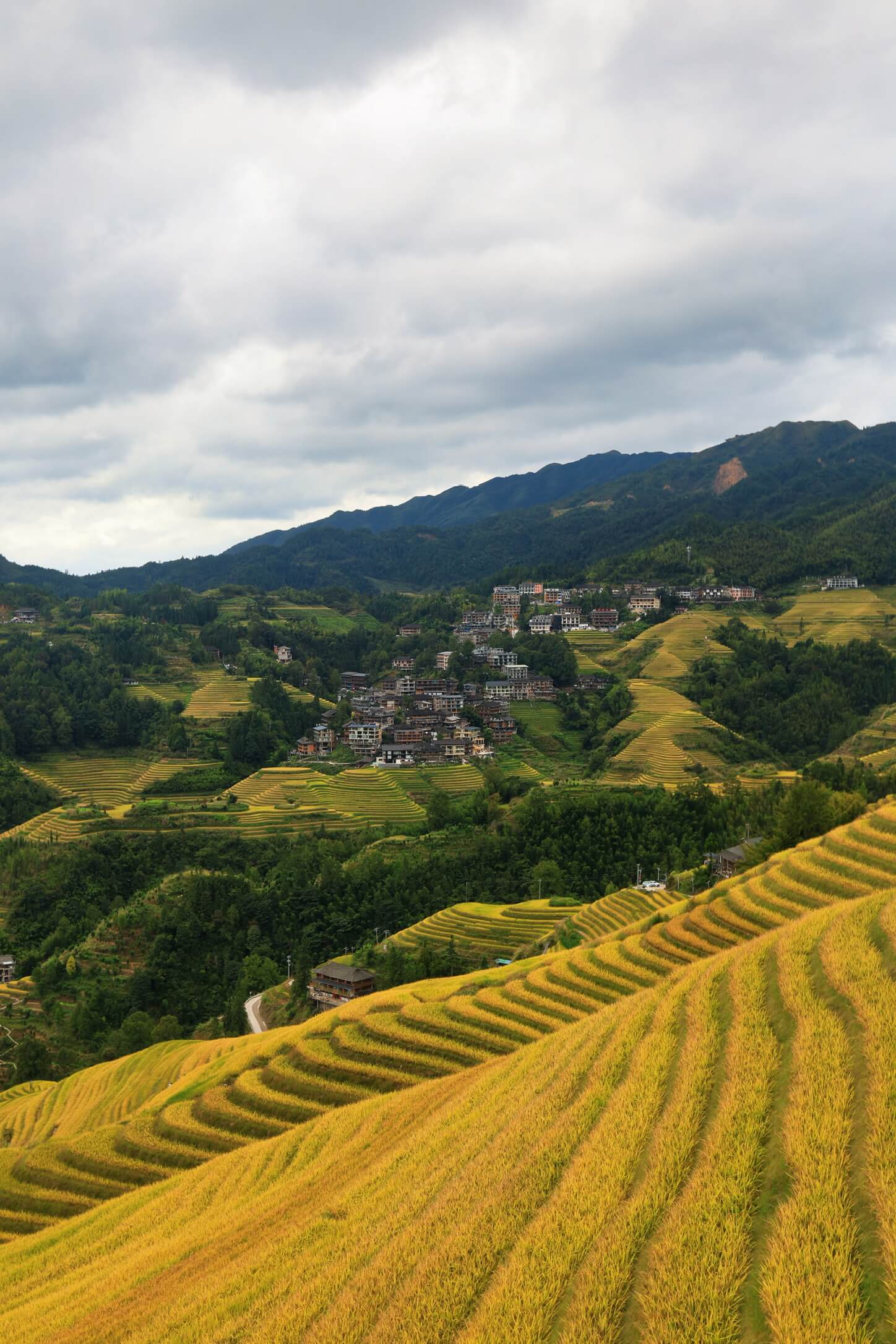
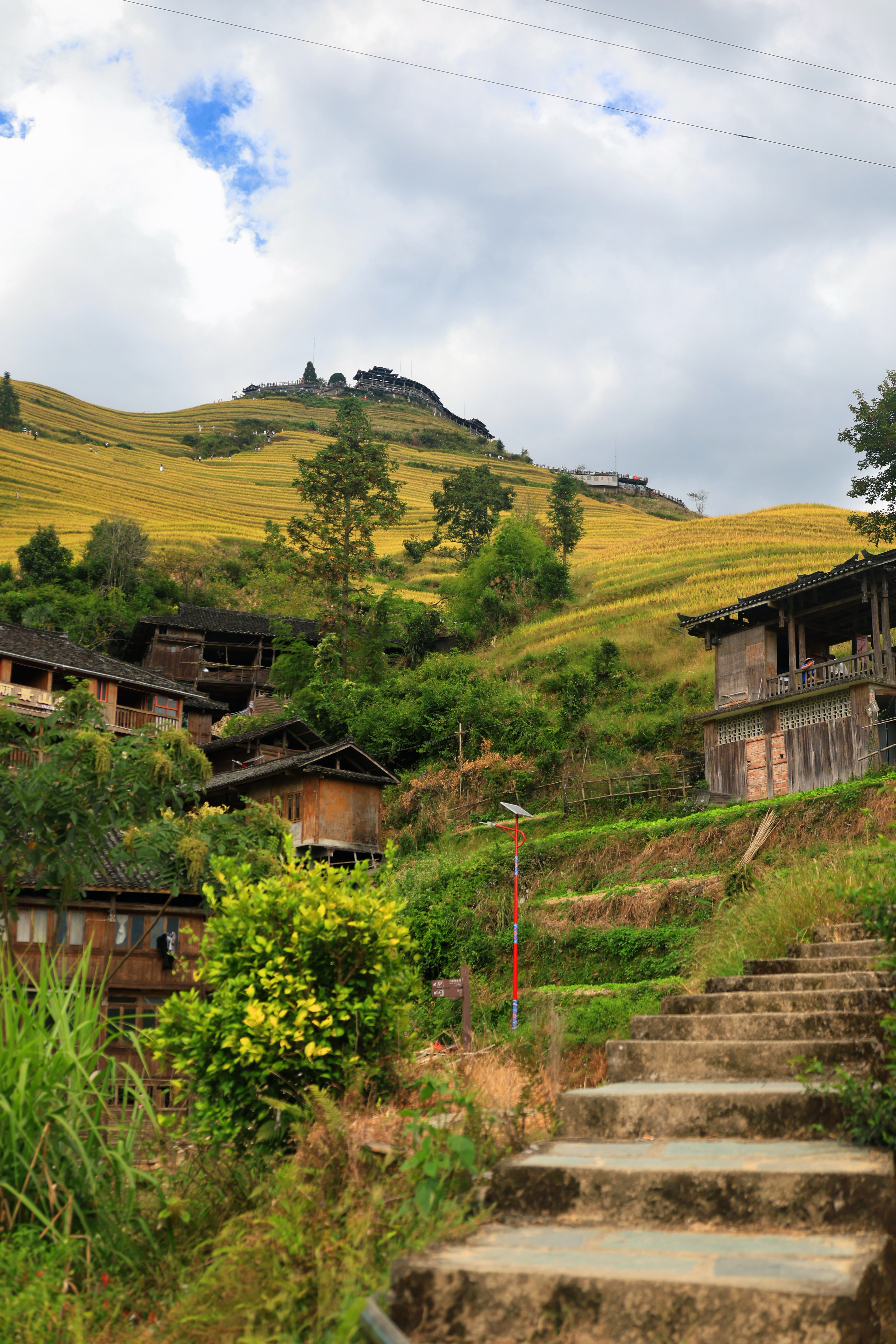
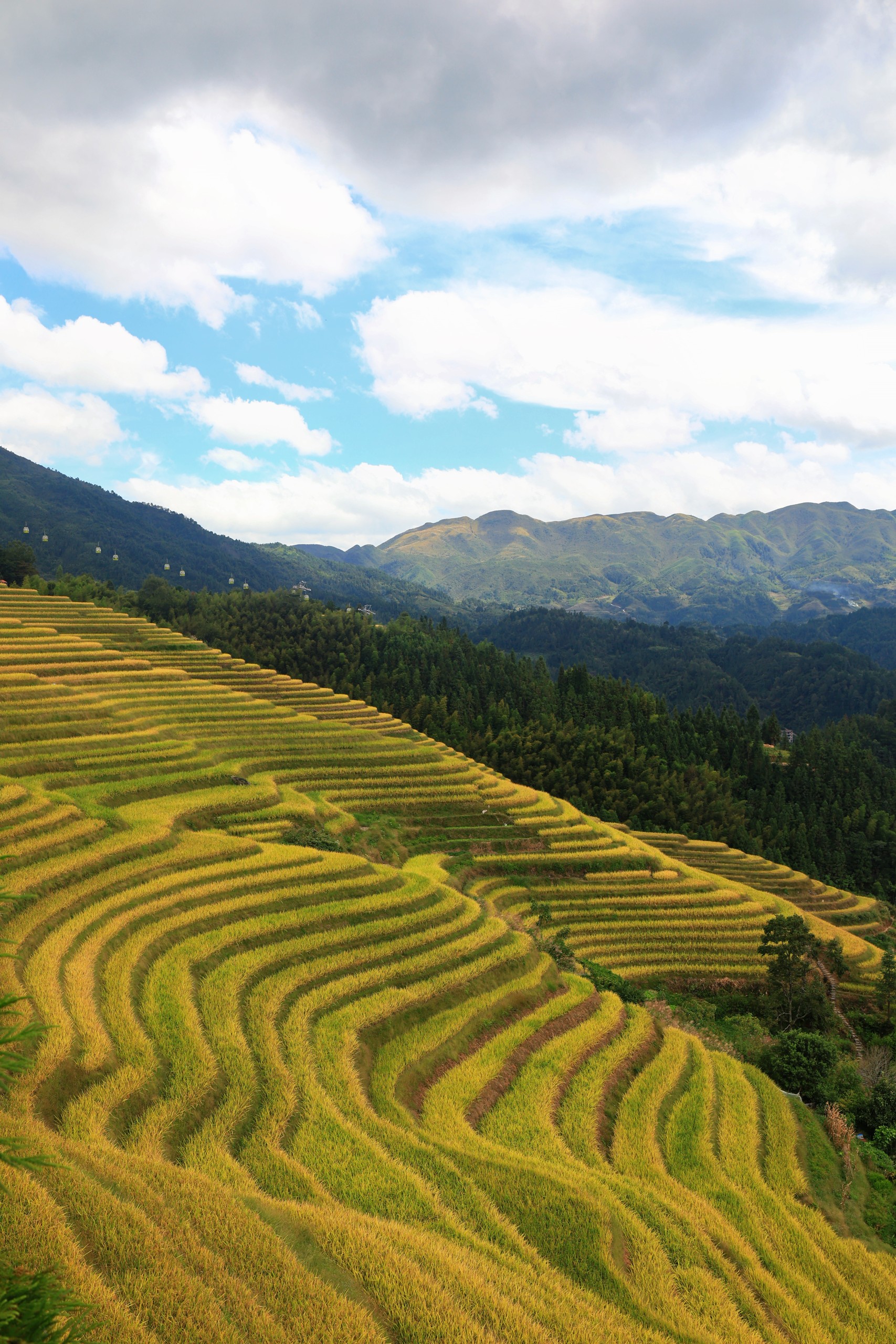
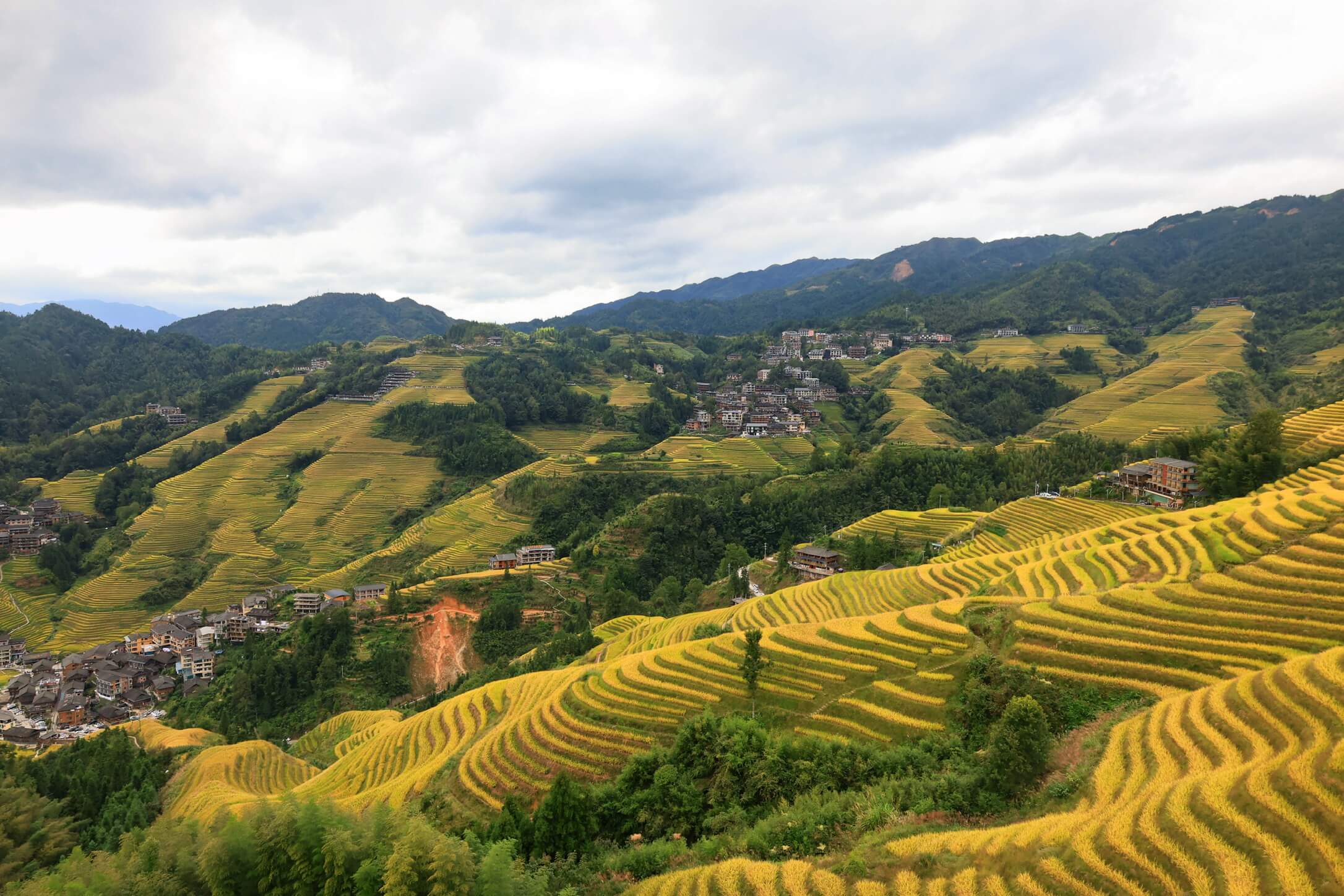
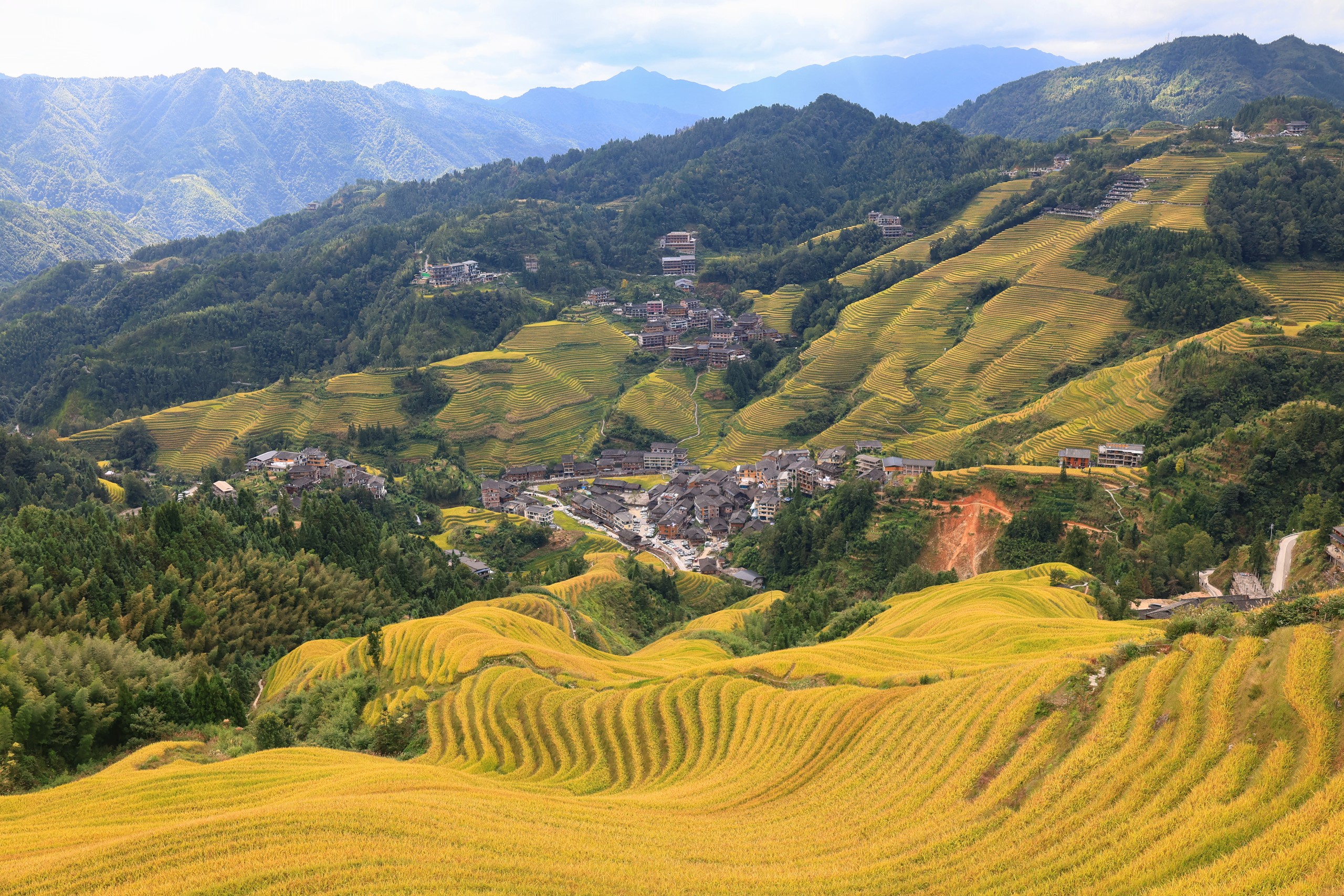
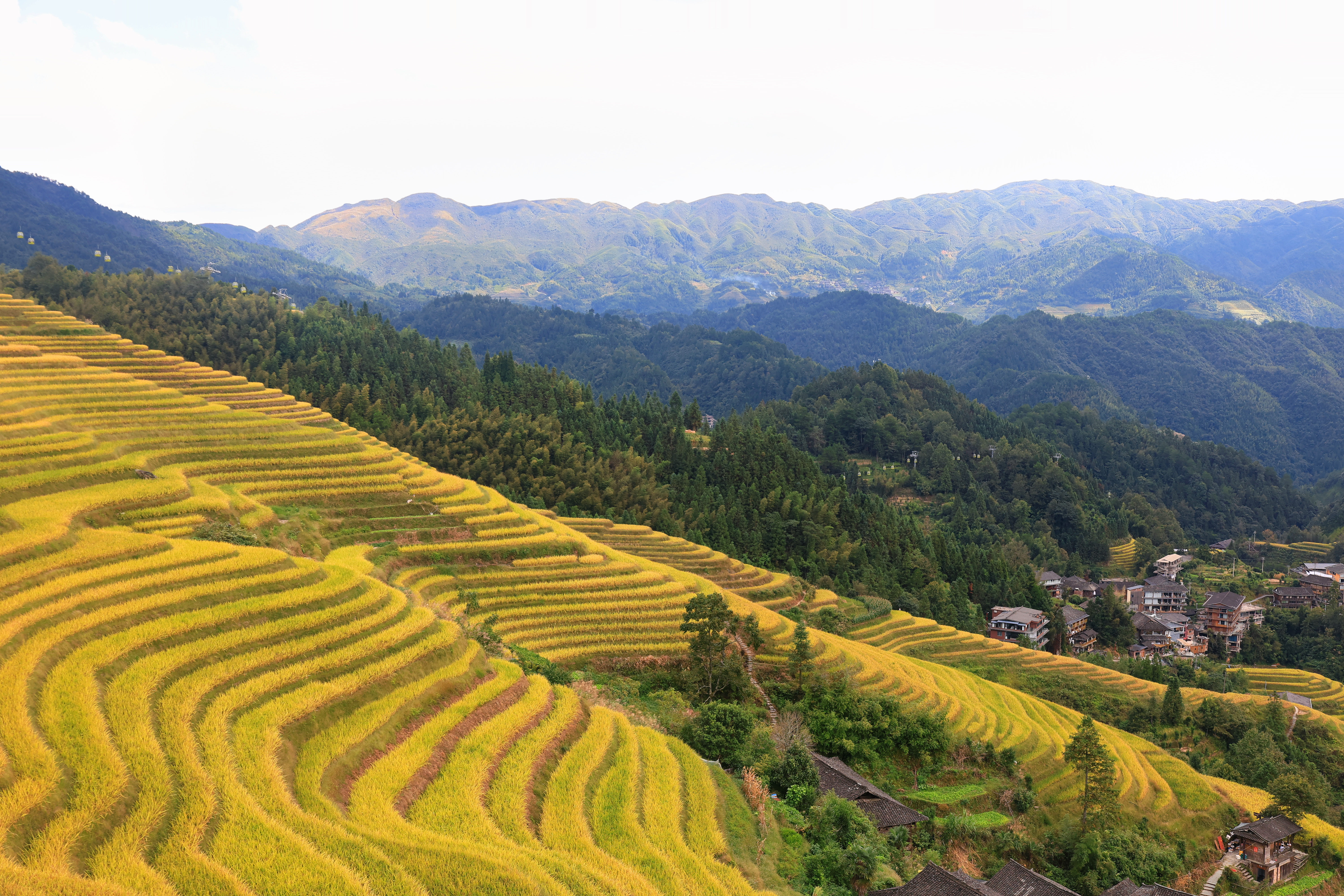
The Longji Rice Terraces are far from the city — I recommend booking a day tour with a round trip. When choosing a tour, skip any that include the Long Hair Village; it’s not worth it. I also wouldn’t recommend staying overnight on the mountain — the food options are limited, and there’s really only three things to do: enjoy the view, take portrait photos, and eat. I didn’t do a portrait session, and the food up there isn’t great. The bamboo rice that’s famous online tastes average — try it if your tour includes it for free, but don’t buy it. Better to eat back in Guilin proper.
The terraces themselves are genuinely beautiful, but there’s not much variety to see — a few glances and you’ve taken it all in, though you’d regret skipping it entirely. I recommend taking the cable car up and walking down. The descent has poor infrastructure — a long stretch shares the road with motor vehicles with no dedicated sidewalk, so be careful.
Li River
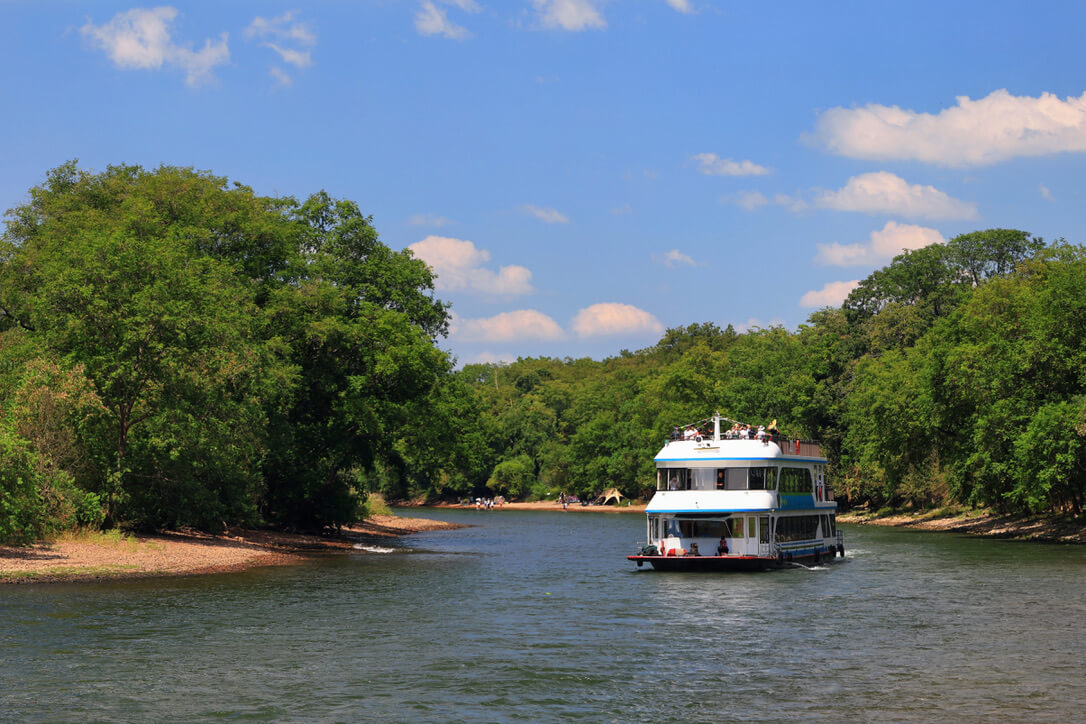
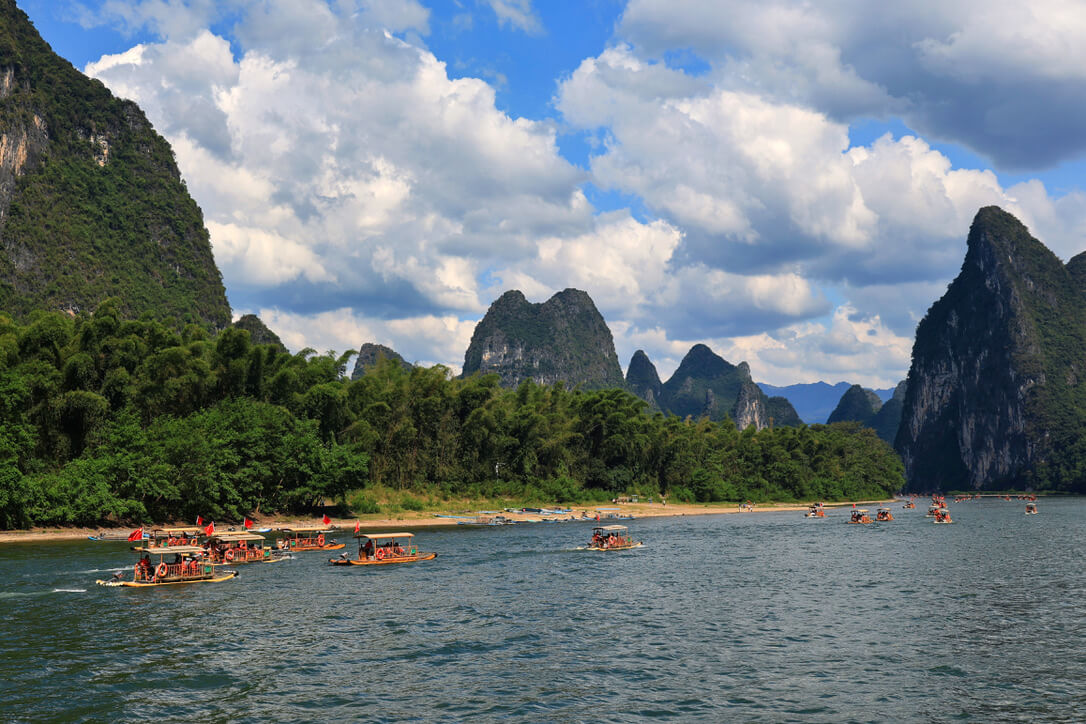
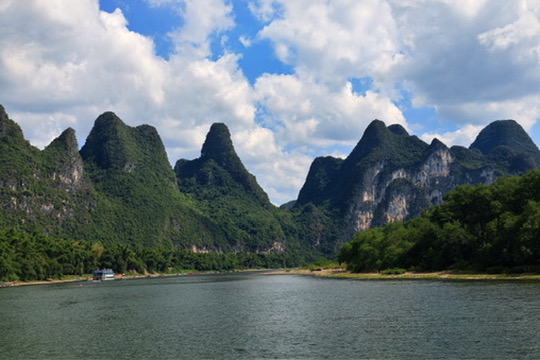
To get from Guilin to Yangshuo, I chose the Li River three-star cruise — this journey is not just transportation but a Tier 1 experience in my book. The route goes from Mopanshan Pier in Guilin to Longtoushan Pier in Yangshuo. Departures are at fixed times; the latest is 12:05. The scenic area offers a shuttle to the pier, but it won’t pick you up at your hotel — just a nearby meeting point — so I’d recommend taking a taxi yourself. I took the last noon departure, arriving 30 minutes early. The cruise takes about 4 hours, passing classic sights like Crown Cave, Yangdi, Nine Horses Mural Hill, and Yellow Cloth Reflection, with a guide narrating along the way. There’s food on board but it’s basic — better to eat after disembarking. At the pier exit, e-bike drivers offer rides; I suggest finding one to take you to your hotel since you’d have to walk quite far to hail a car.
Yulong River
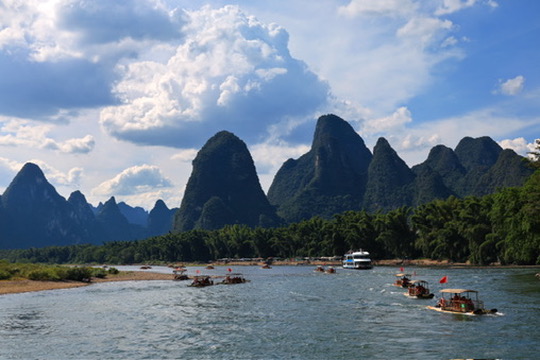
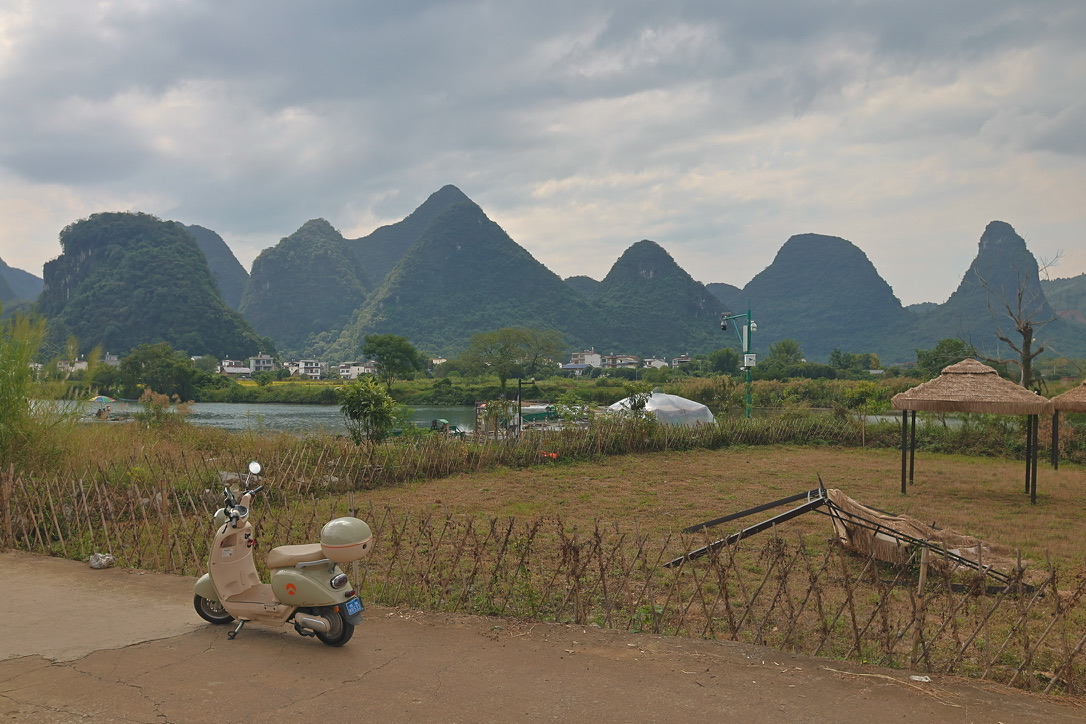
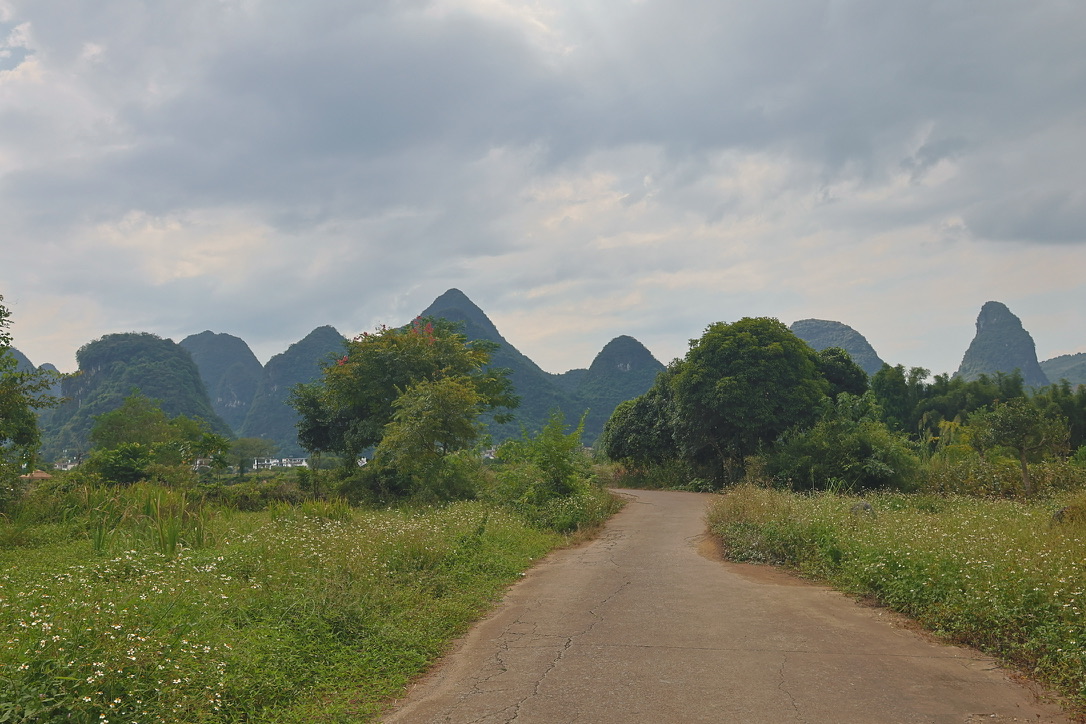
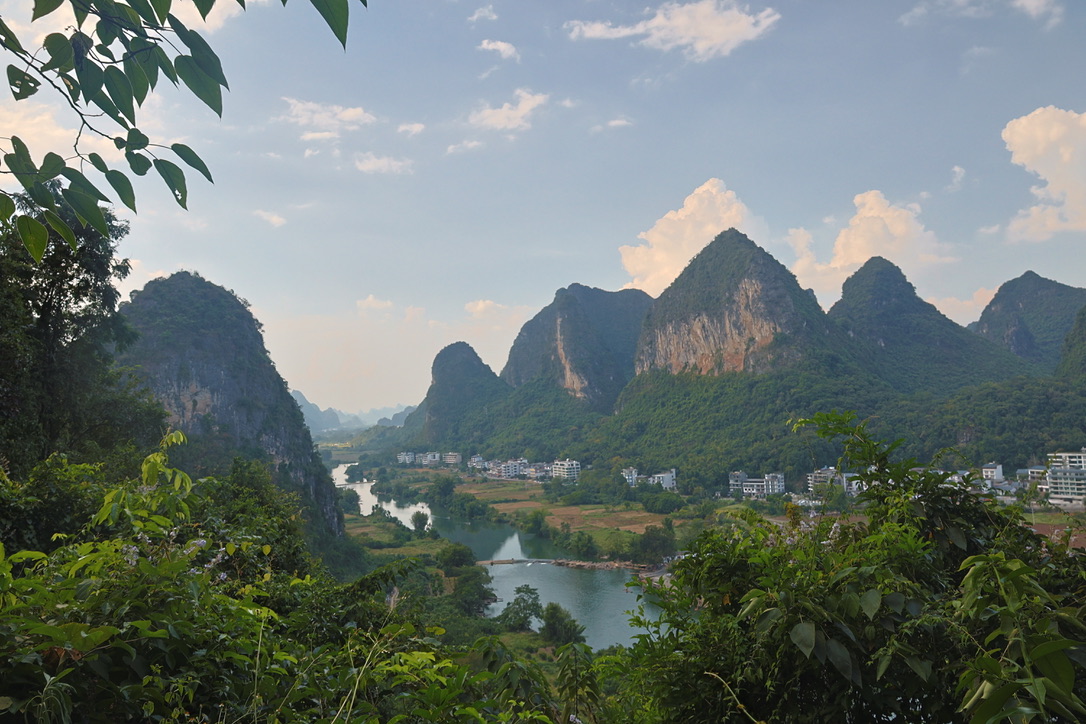
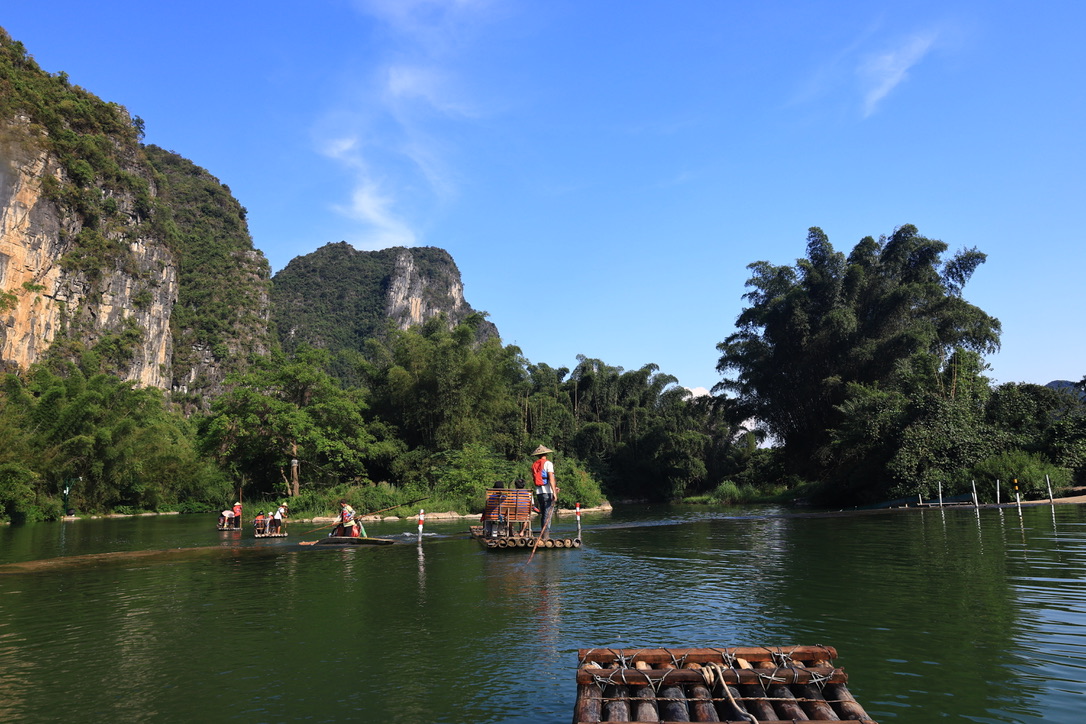
You might wonder why I ranked “casually e-biking around Yangshuo” in Tier 1 — once you’re there, you’ll understand. Yangshuo’s beauty isn’t confined to any scenic area or specific location. Hop on an e-bike, ride along country roads, and you’ll find landscape-painting scenery everywhere. If the Li River is grandly magnificent, the Yulong River is elegantly refined — perfectly matching the traditional Chinese aesthetic of water in ink-wash paintings.
My top recommendation is the e-bike route along the Yulong River: Fuli Bridge → Yulong Bridge → Jiuxian Pier → Jima Pier → Shuiedi Pier. Park your e-bike at Shuiedi Pier and take the bamboo raft from there to the General Pier. After rafting, a shuttle takes you back to Shuiedi Pier, and you can continue riding to Zhudouzhai and Wanjing Pier. This route covers all the essential Yulong River scenery — an experience rivaling any 5A scenic area. Note: bamboo rafting costs 200 yuan per raft (seats two), so solo travelers should find a raft-mate in advance.
Sunset
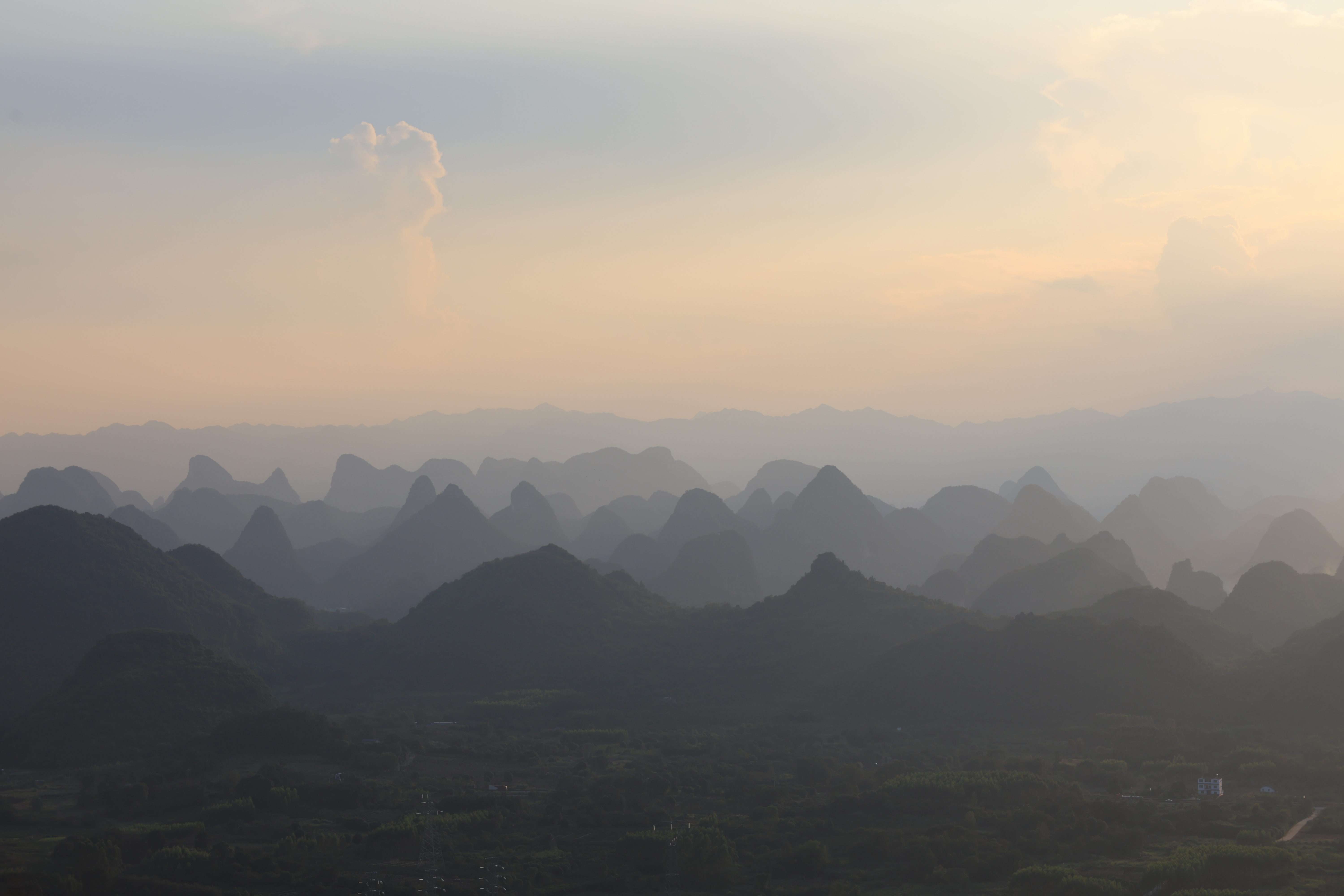
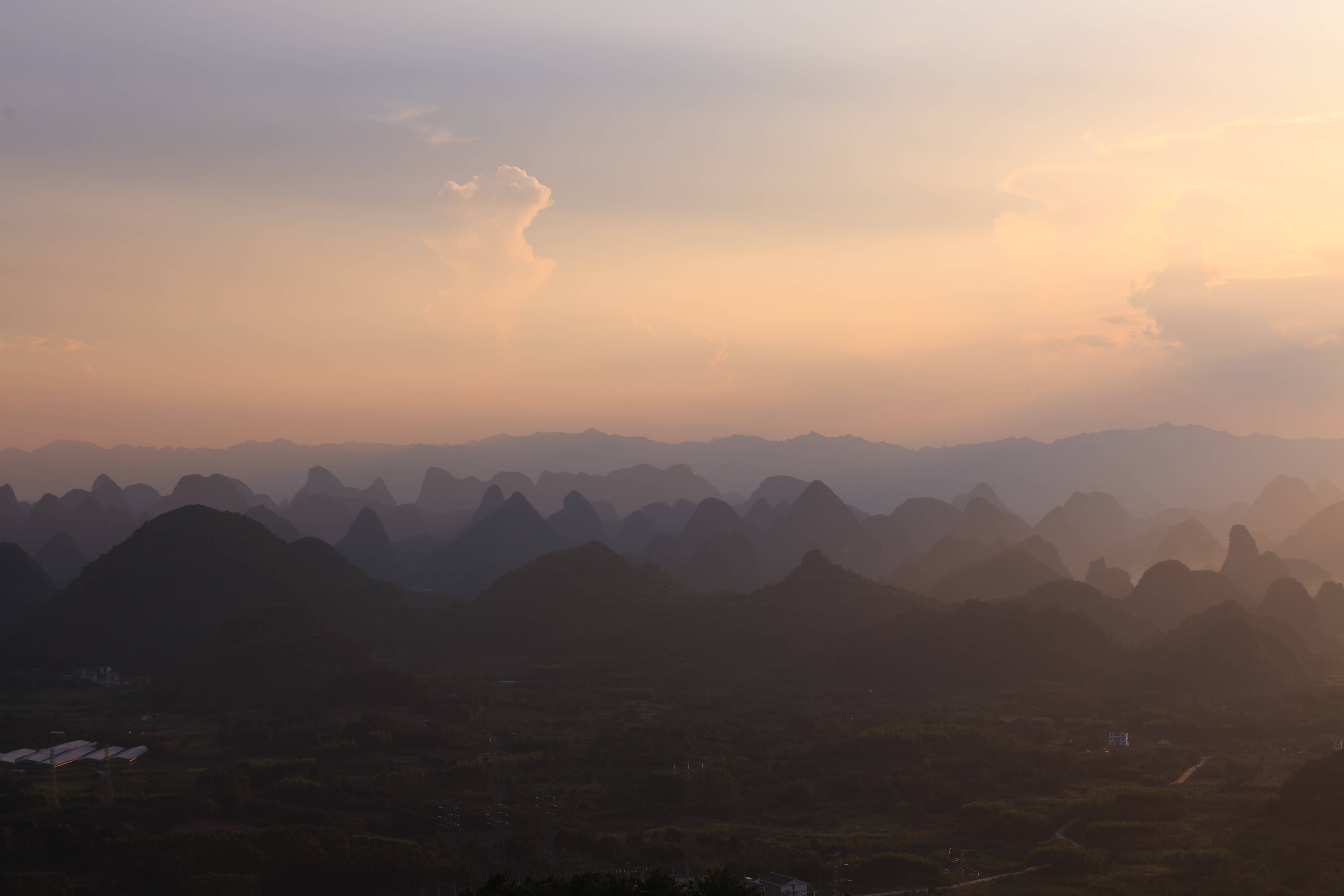
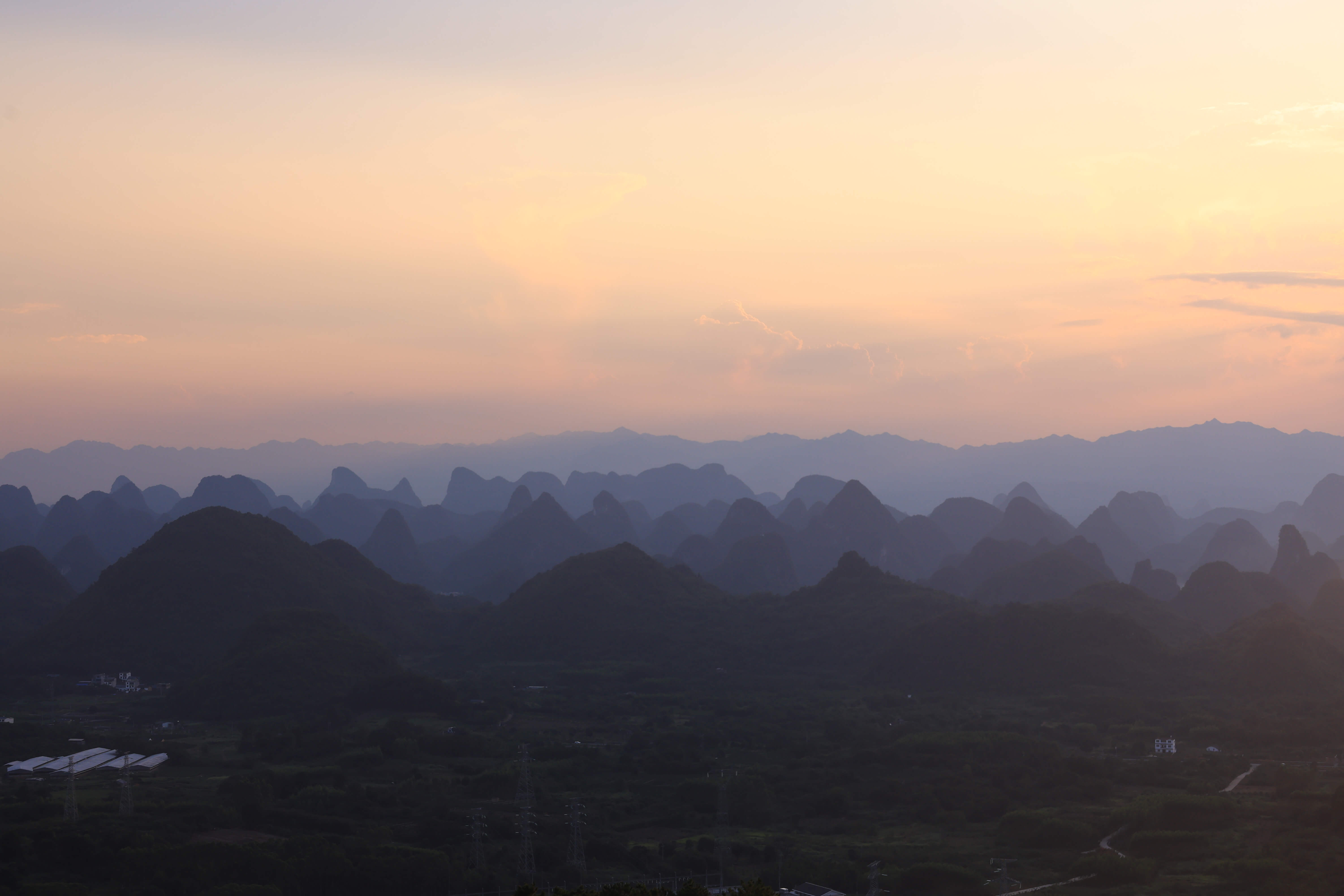
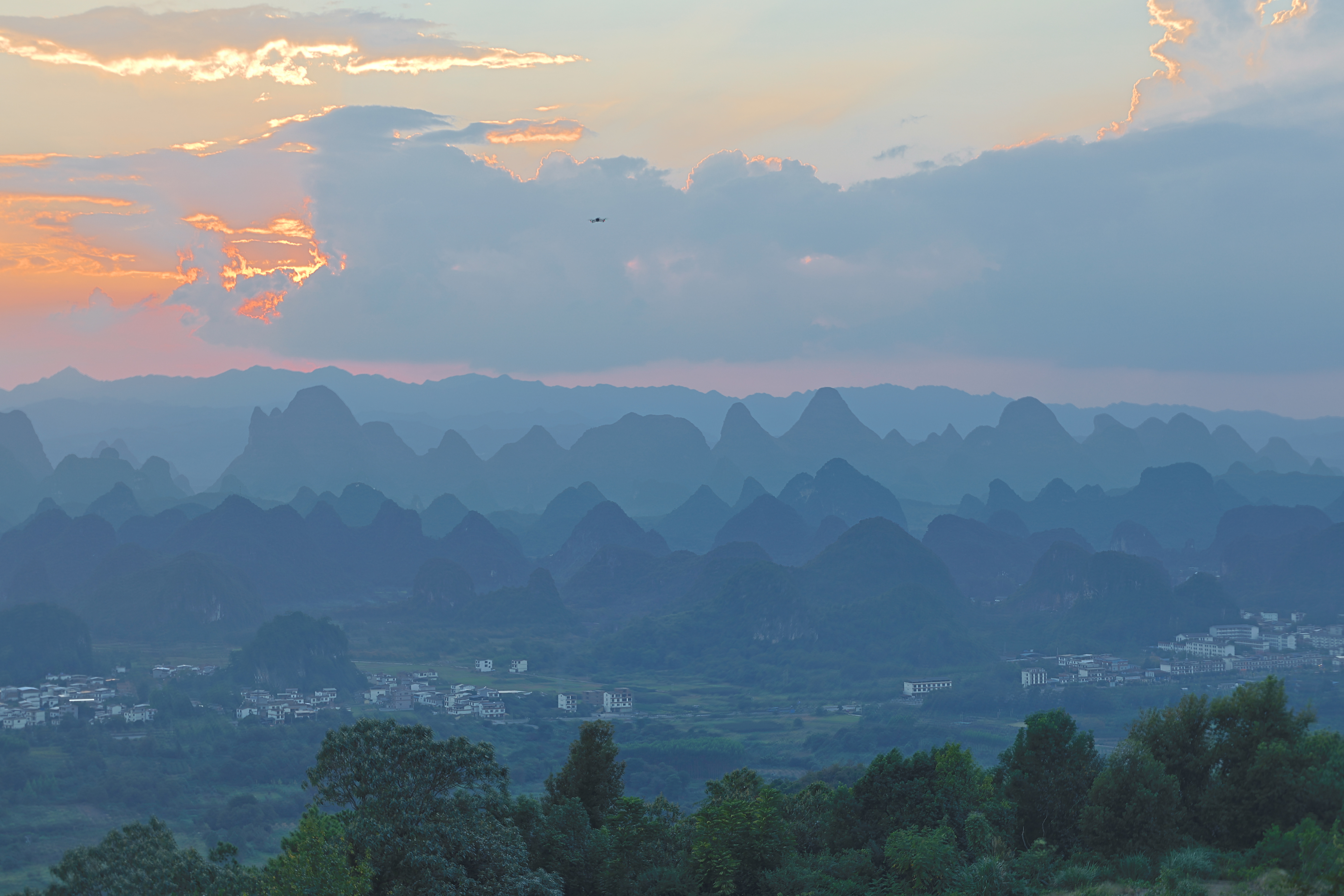
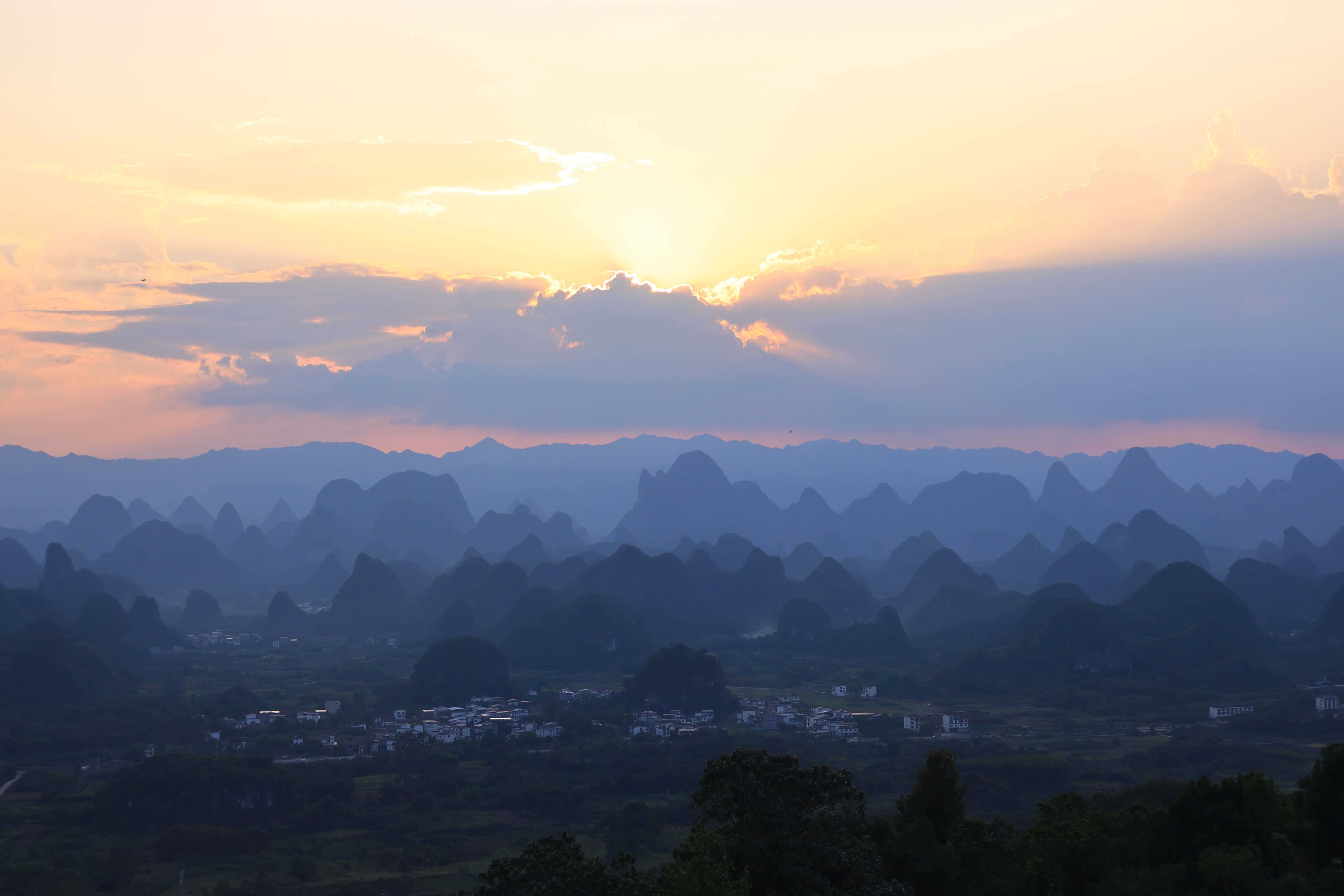
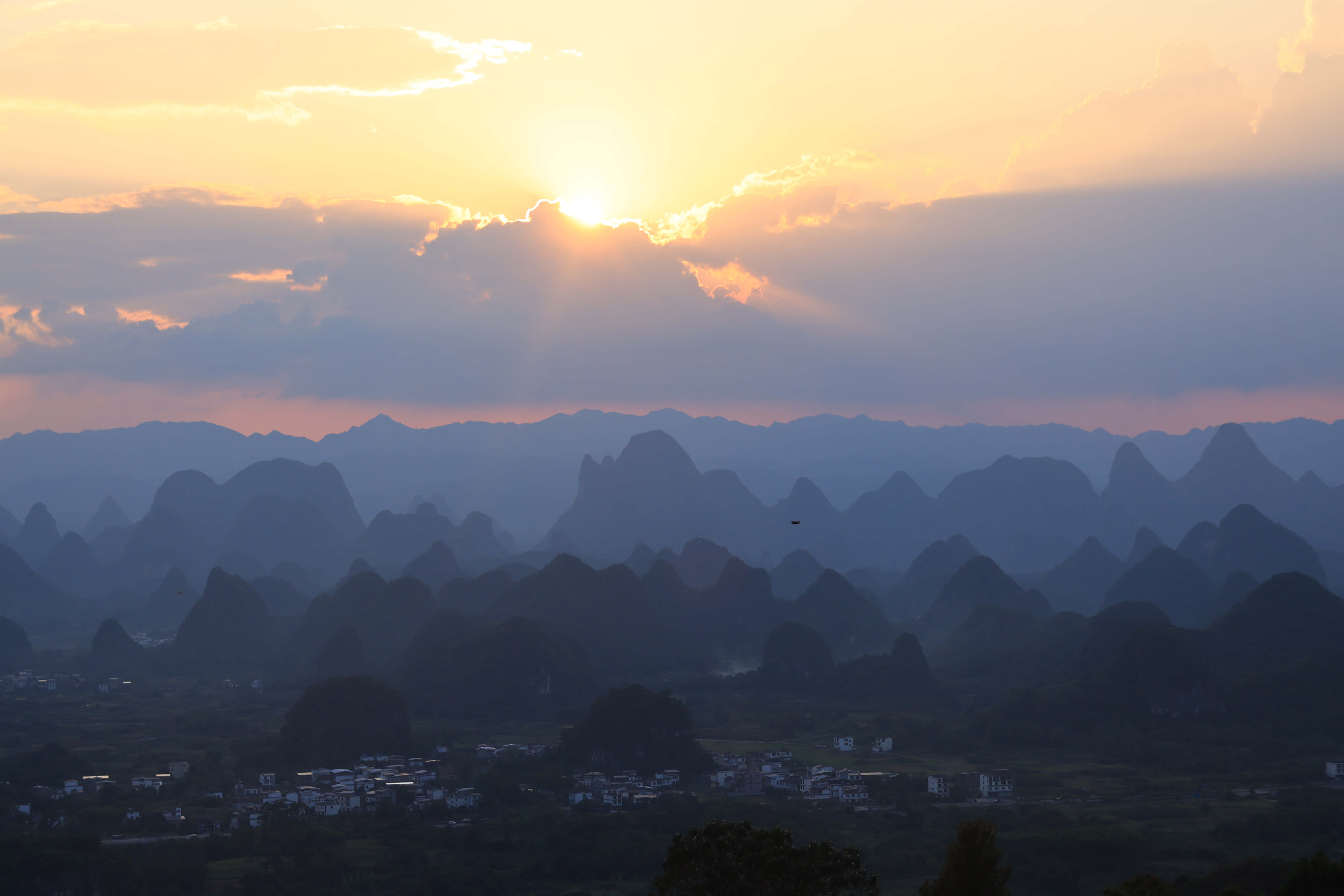
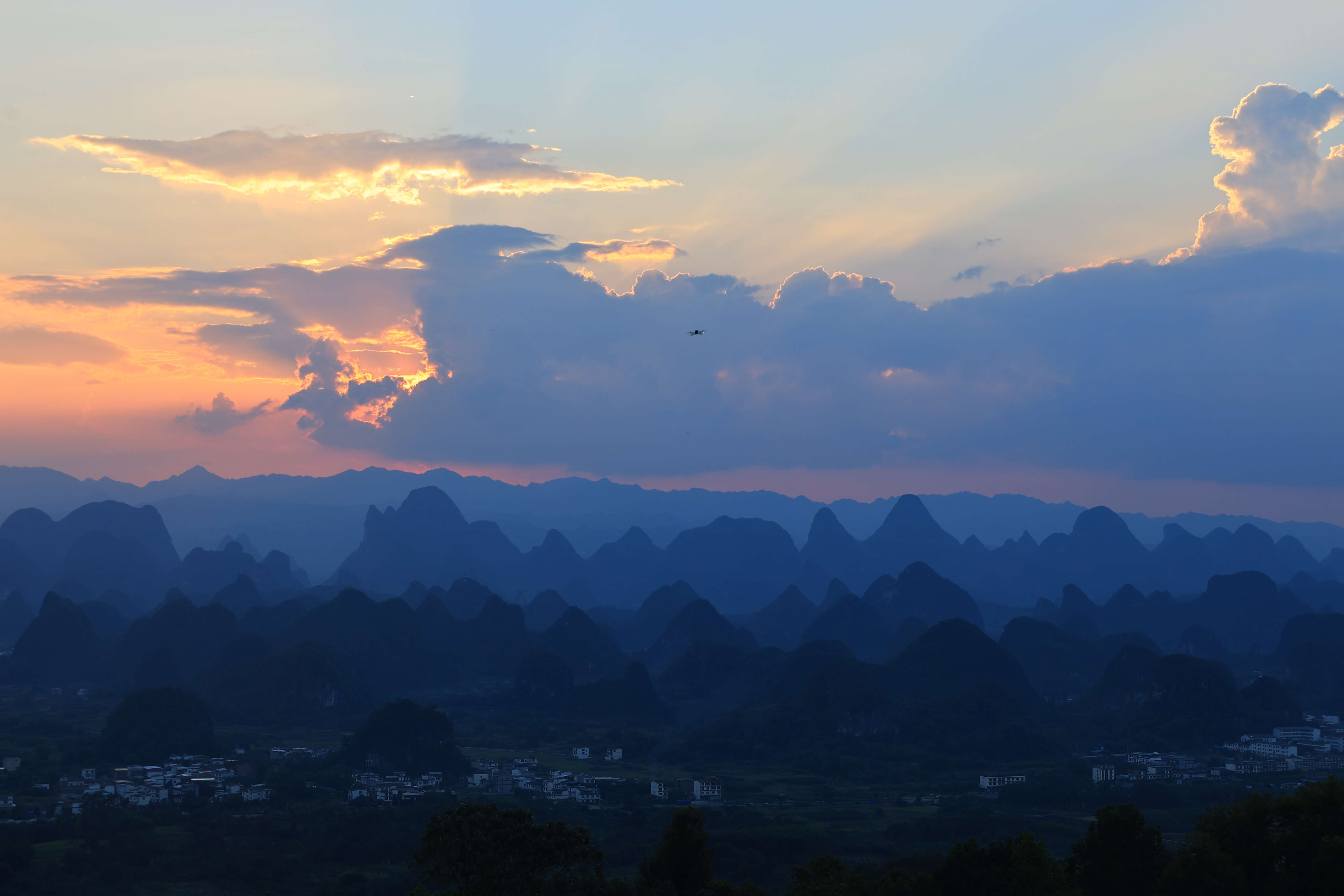
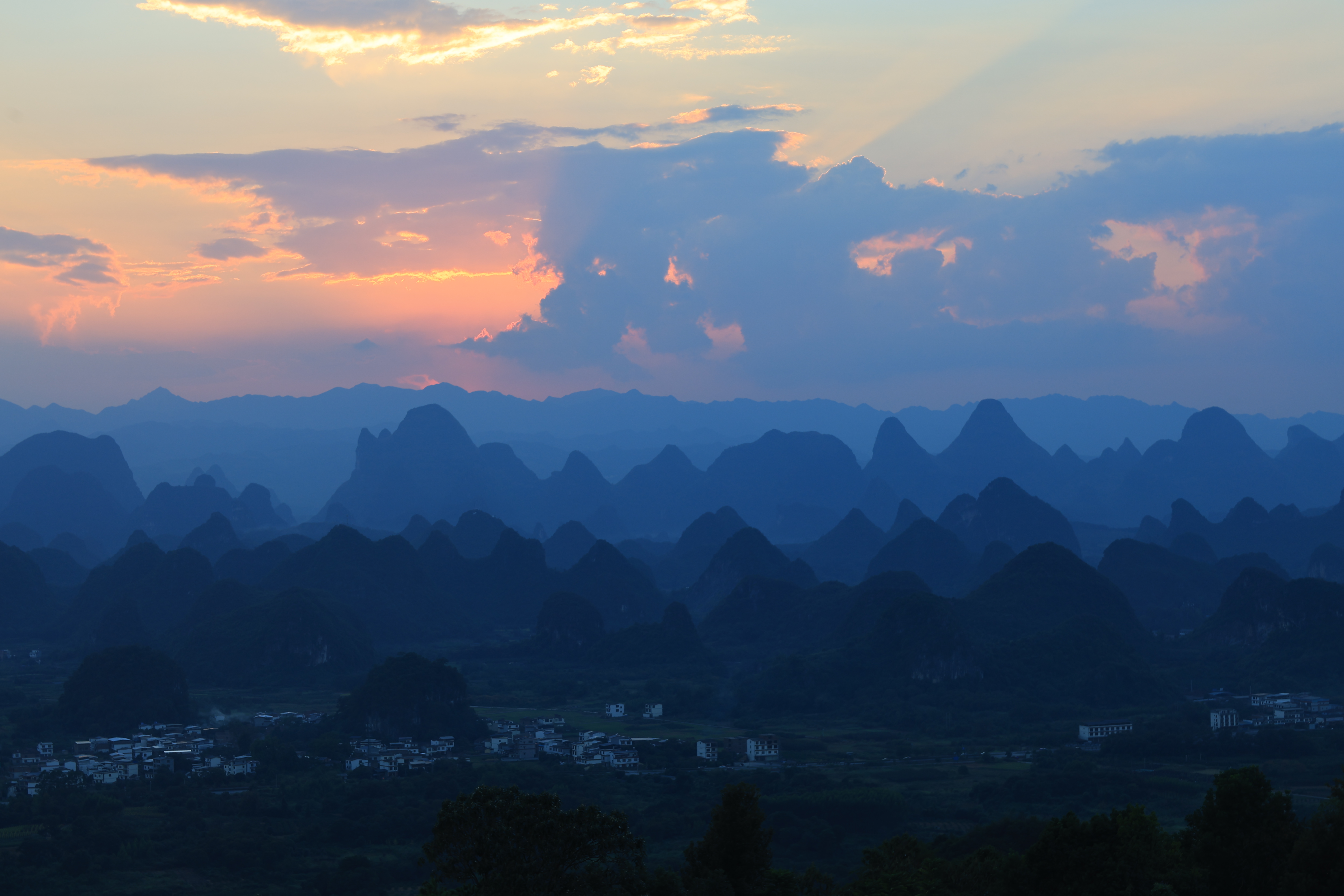
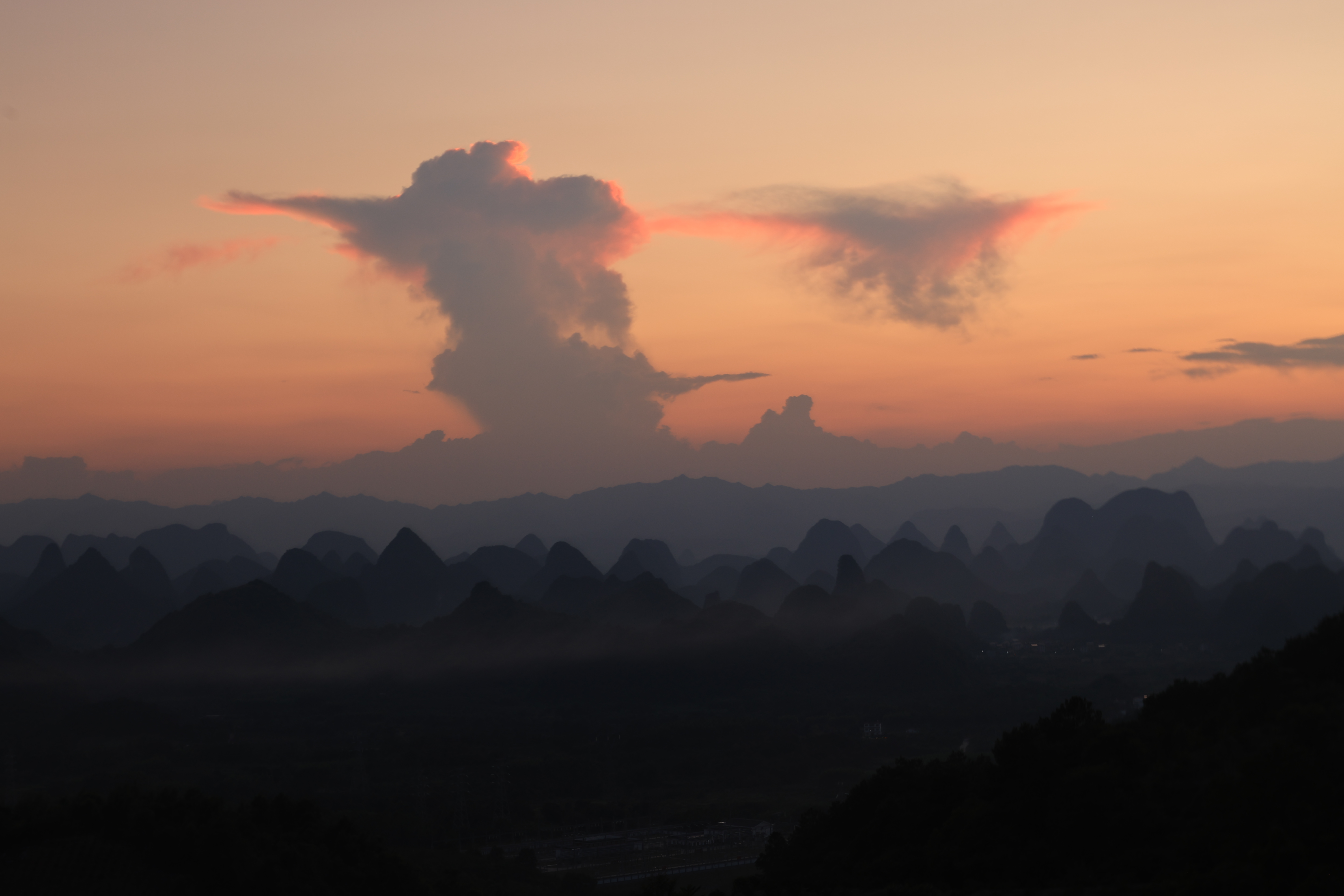
Over 7 days I watched sunsets from many spots, but the most stunning was at the Thousand-Mile Landscape viewpoint. The setting sun bathes the rolling mountains in warm gold, clouds painted in tangerine-pink and deep purple. As the light sinks, mountain silhouettes shift from sharp to hazy — like a living ink-wash painting, serene yet magnificent.
A note on transportation: don’t ride an e-bike! It’s a 30km, 1-hour ride, the scenic area is on a mountain, the climb drains the battery, and mountaintop charging is slow due to low voltage. I nearly got stranded halfway. Plus, the return route on the national road has no streetlights in several sections — extremely unsafe after dark. Take a bus or taxi for peace of mind. Objectively, the variety here isn’t great and the scenery is somewhat one-dimensional — but this sunset alone is worth the dedicated trip. You’d genuinely regret missing it.
Unexpected Encounter
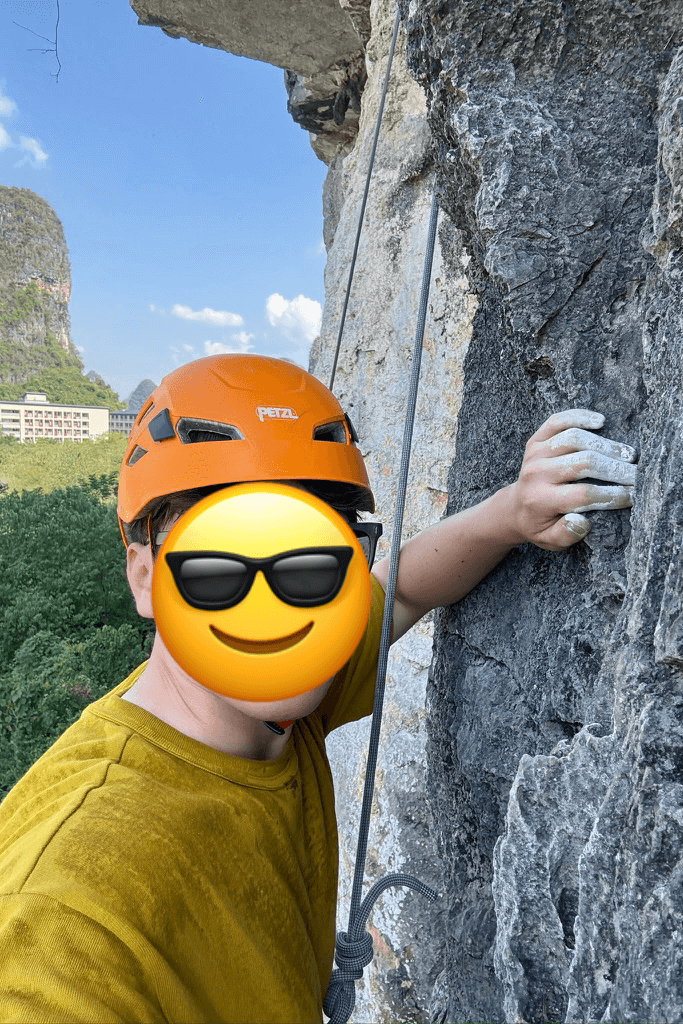
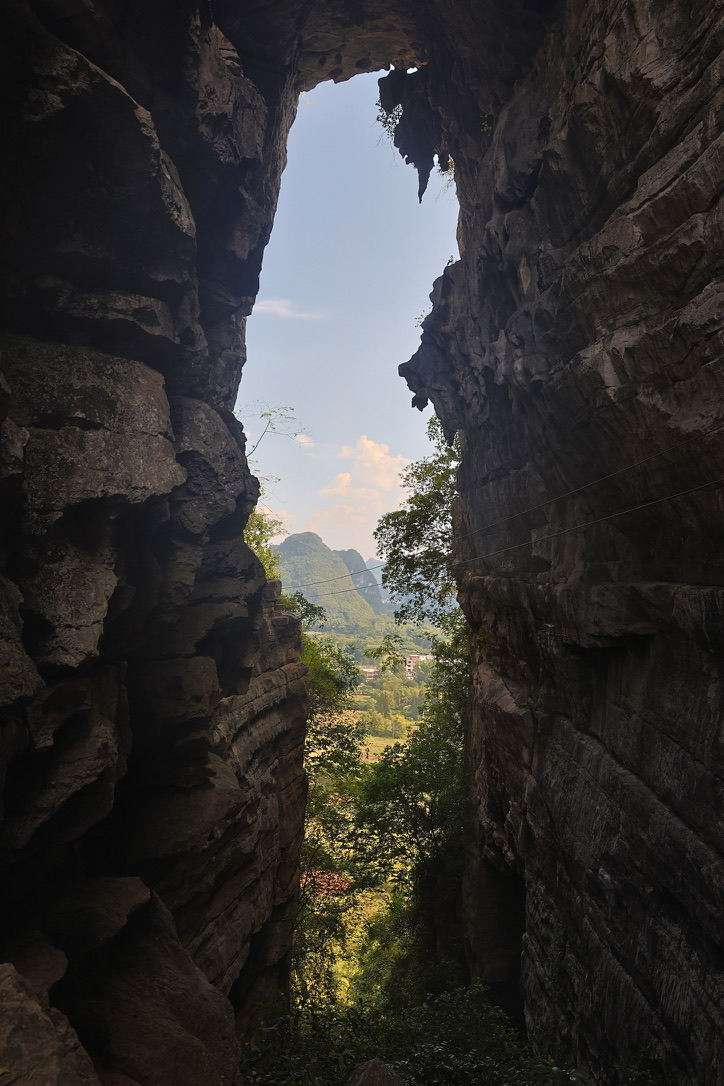
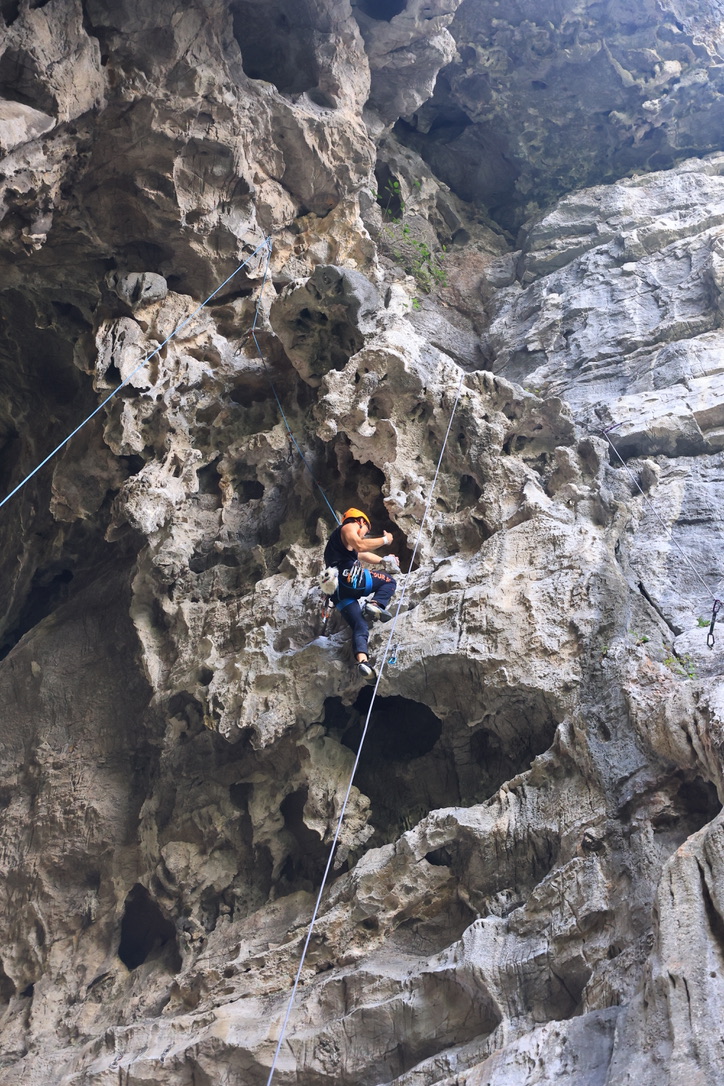
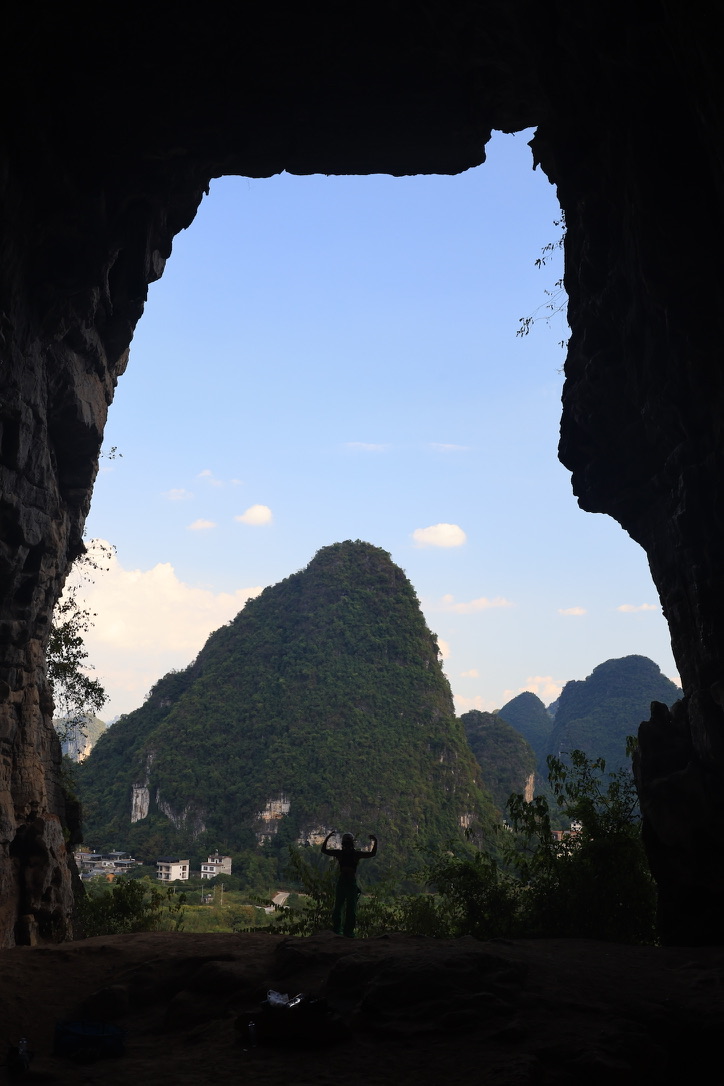
Compared to planned itineraries, unexpected encounters during travel are far more delightful. After posting about my trip on Xiaohongshu, a friend saw it and asked if I was heading to Guilin. Coincidentally, he had spontaneously planned a wild climbing trip to Yangshuo. We hit it off immediately — I adjusted my last two days’ itinerary, joined their climbing spot, and completed my first rock climbing session under my friend’s guidance.
A truly novel experience. Rock climbing demands total focus, letting you forget all your worries. No work performance pressure, no life’s distractions — just the rock wall before your eyes, the rough texture under your fingertips, and each carefully placed foothold. All that stress and anxiety seemed to be filtered away completely in that extreme concentration.
Rice Noodles
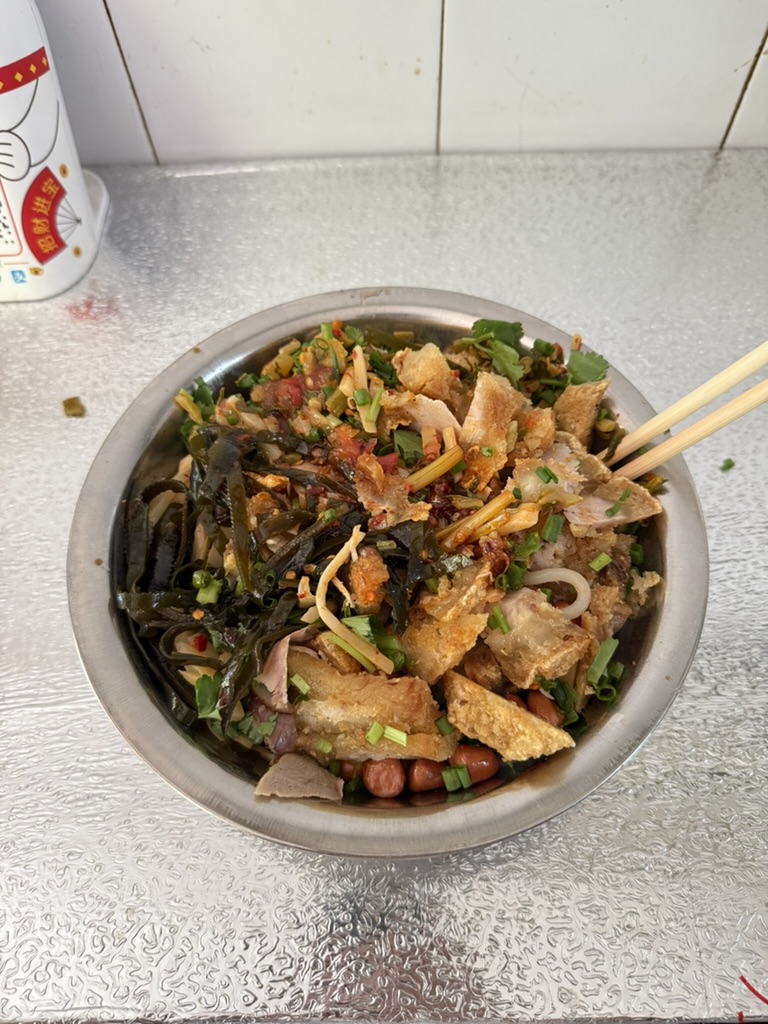
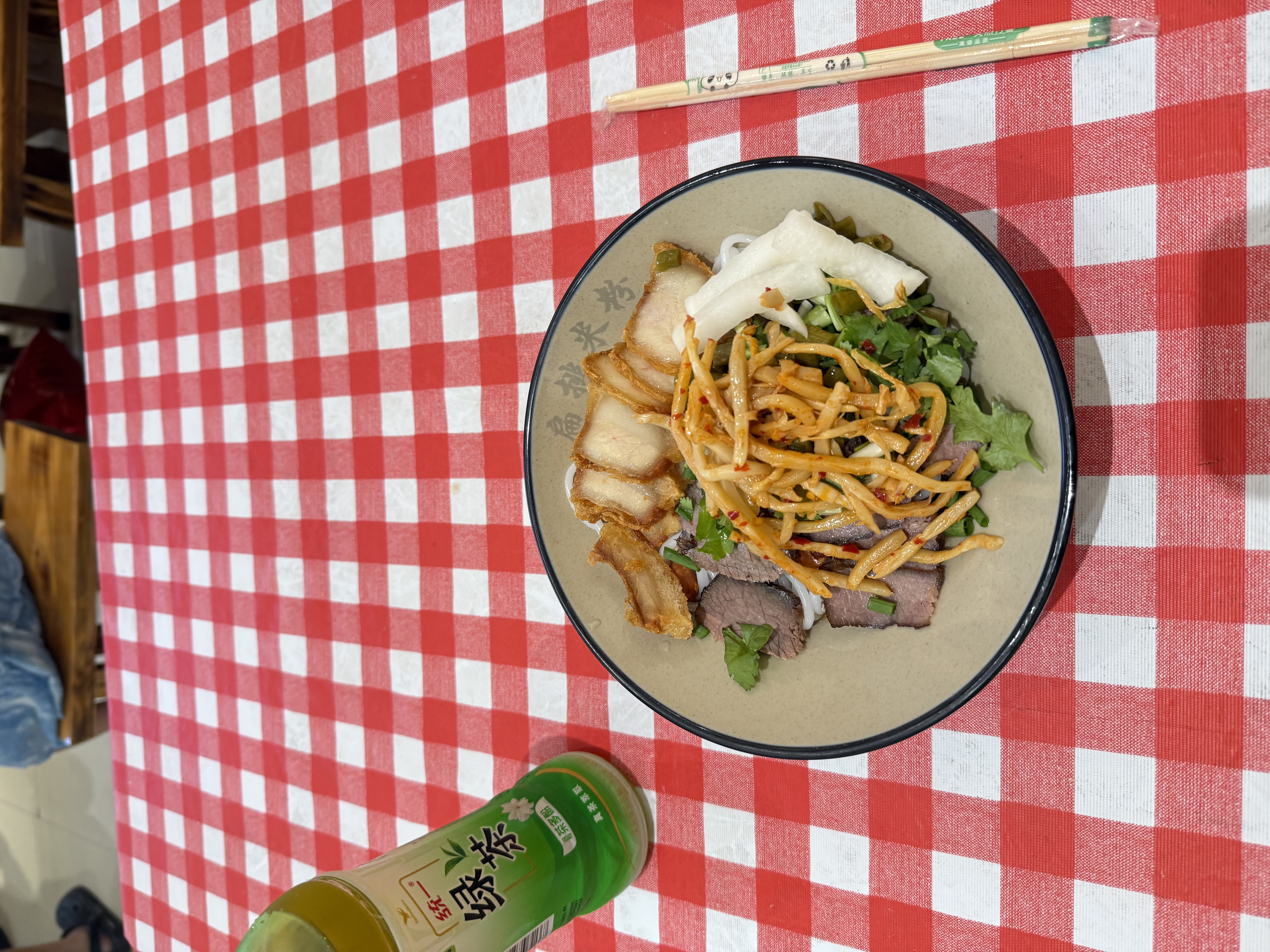
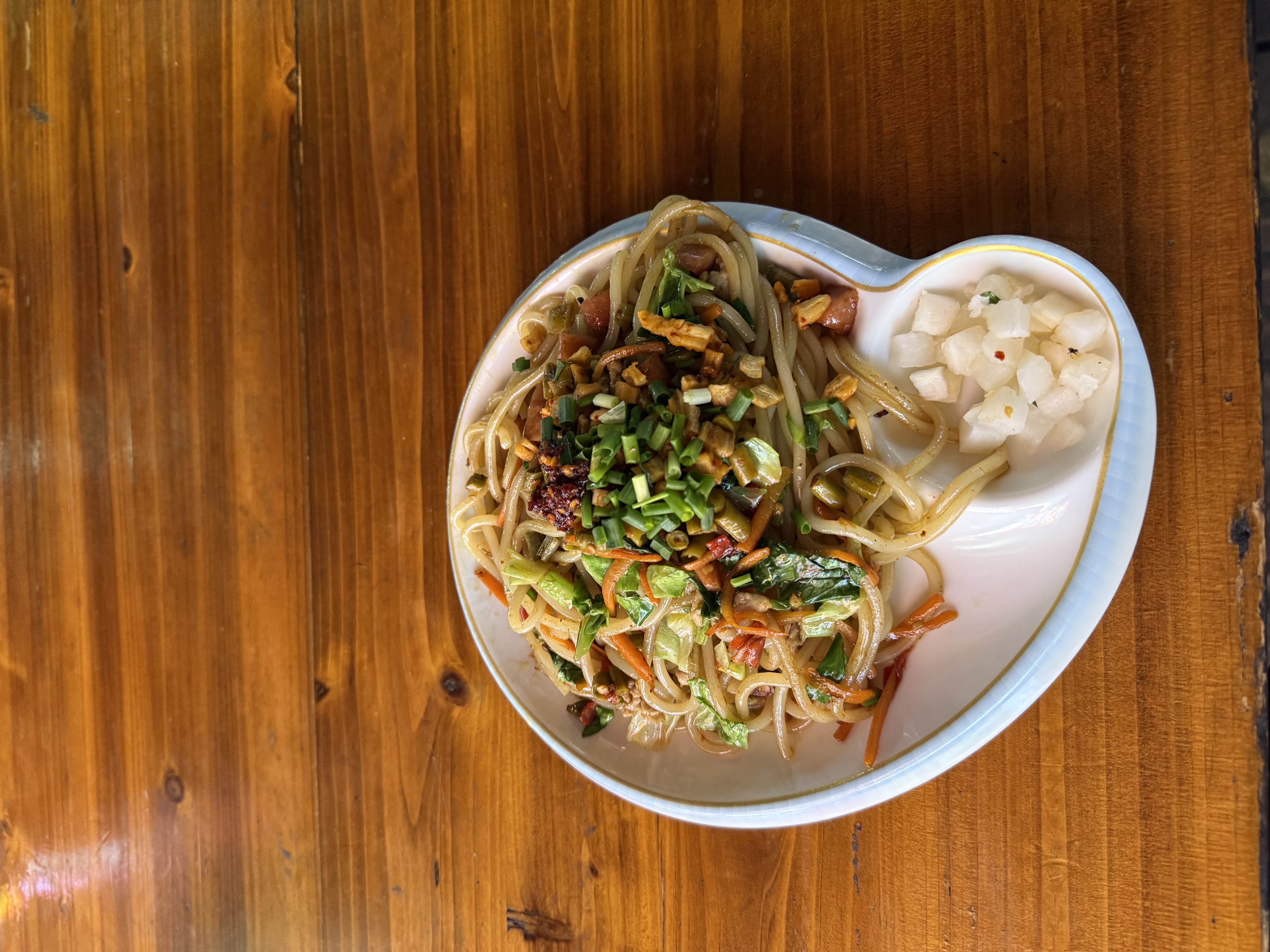
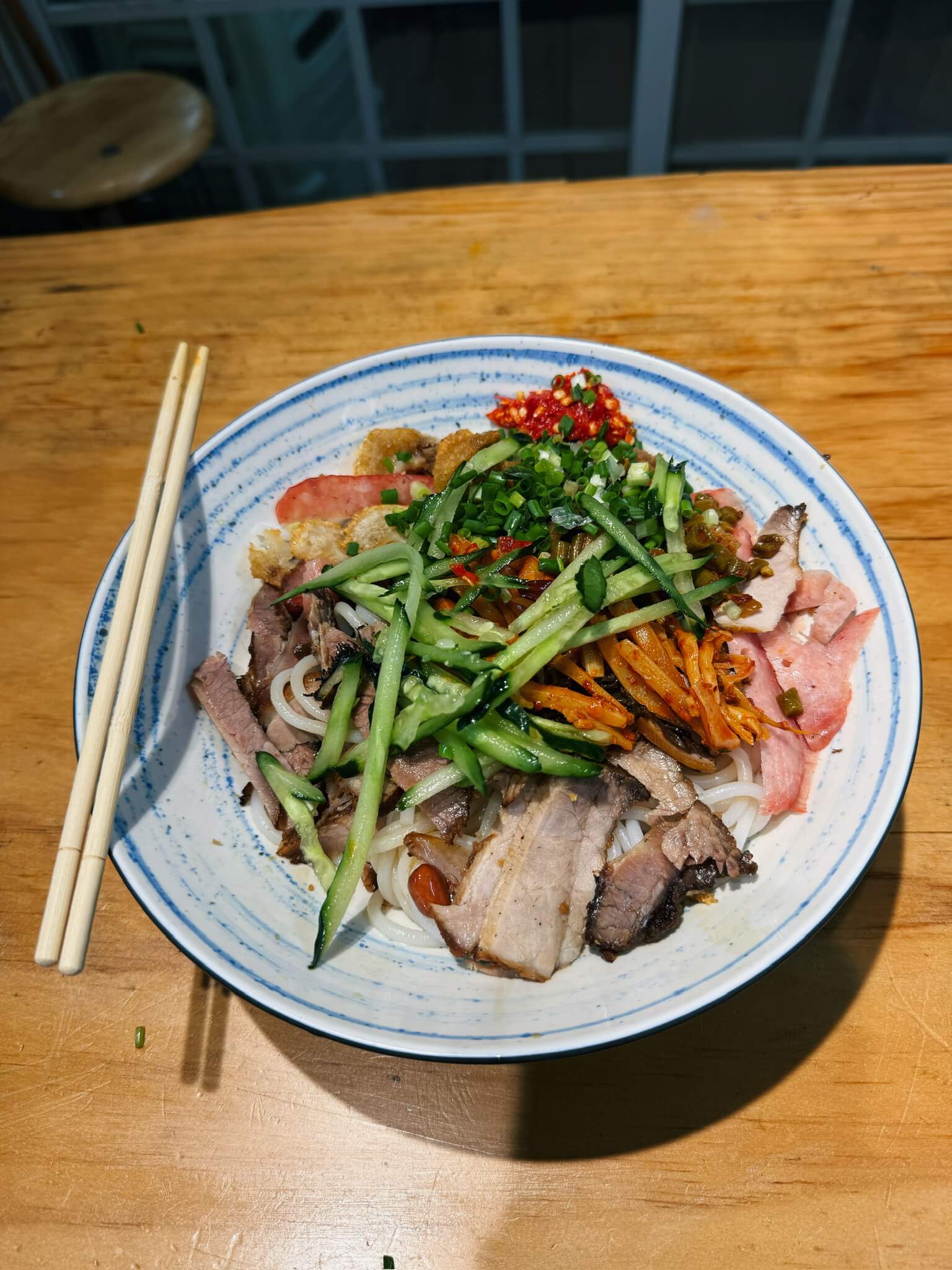
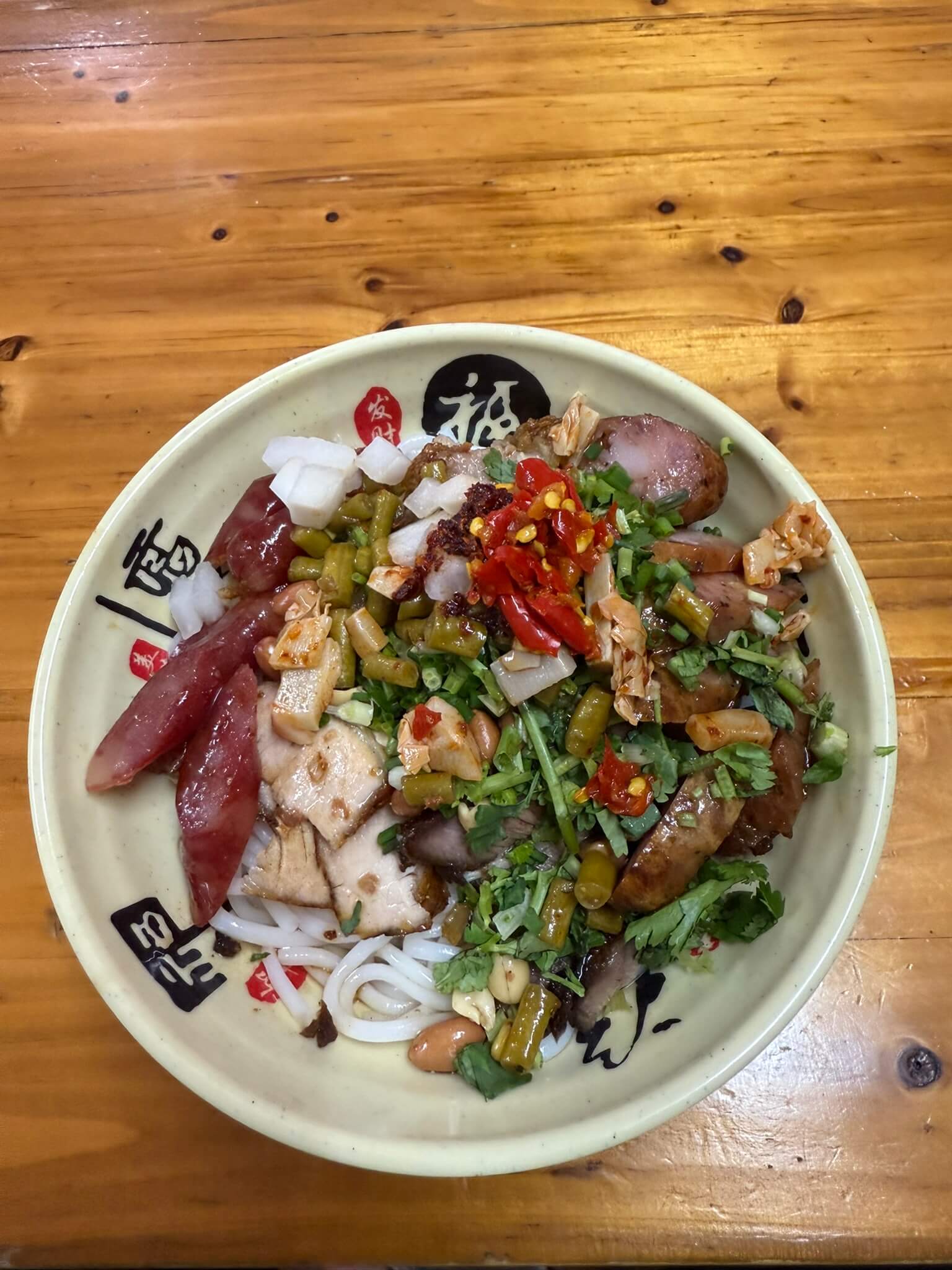
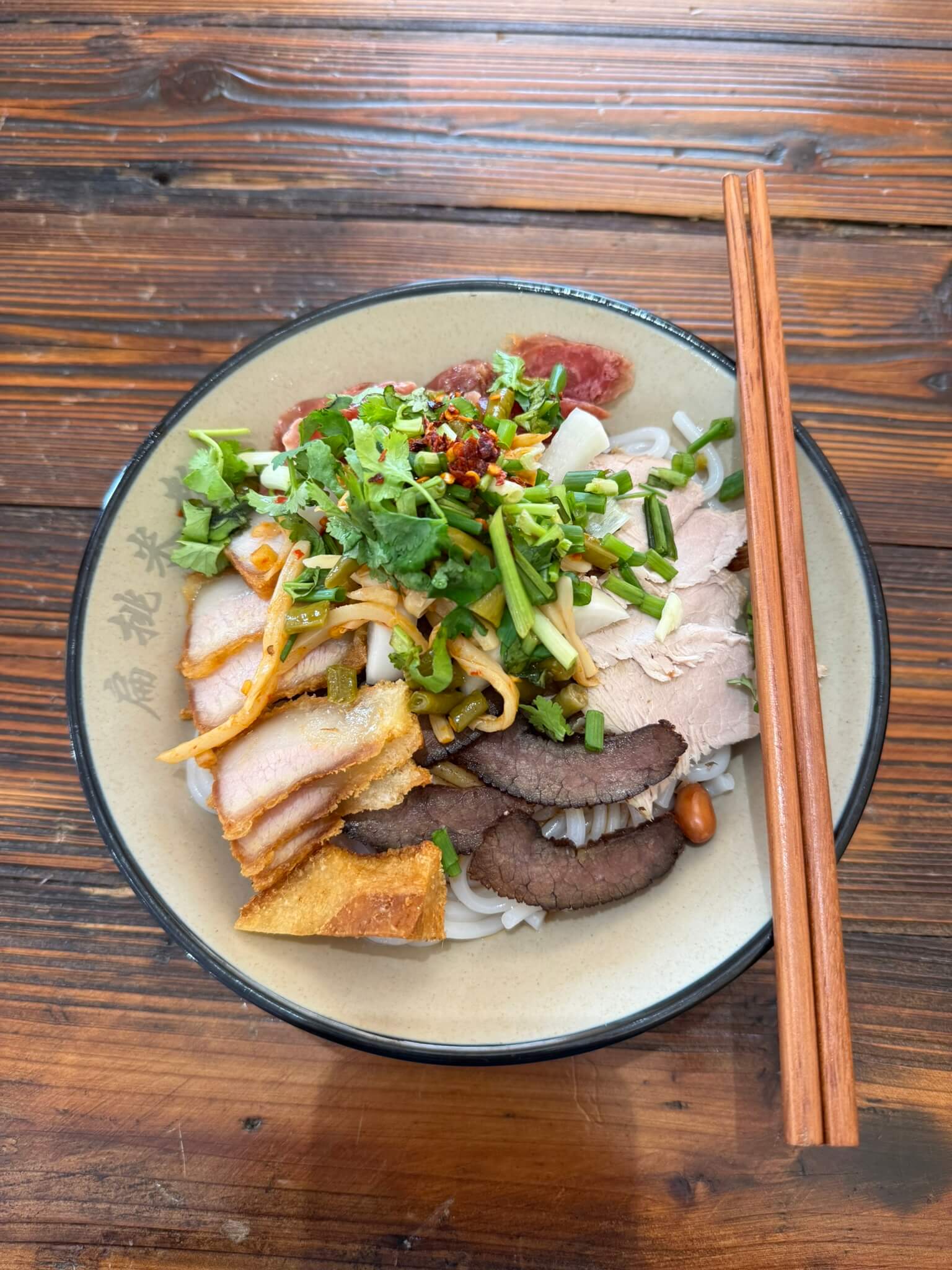
Finally, let’s talk about rice noodles. During my days in Guilin, I had at least one bowl every day. As a lifelong noodle enthusiast, I never got tired of them.
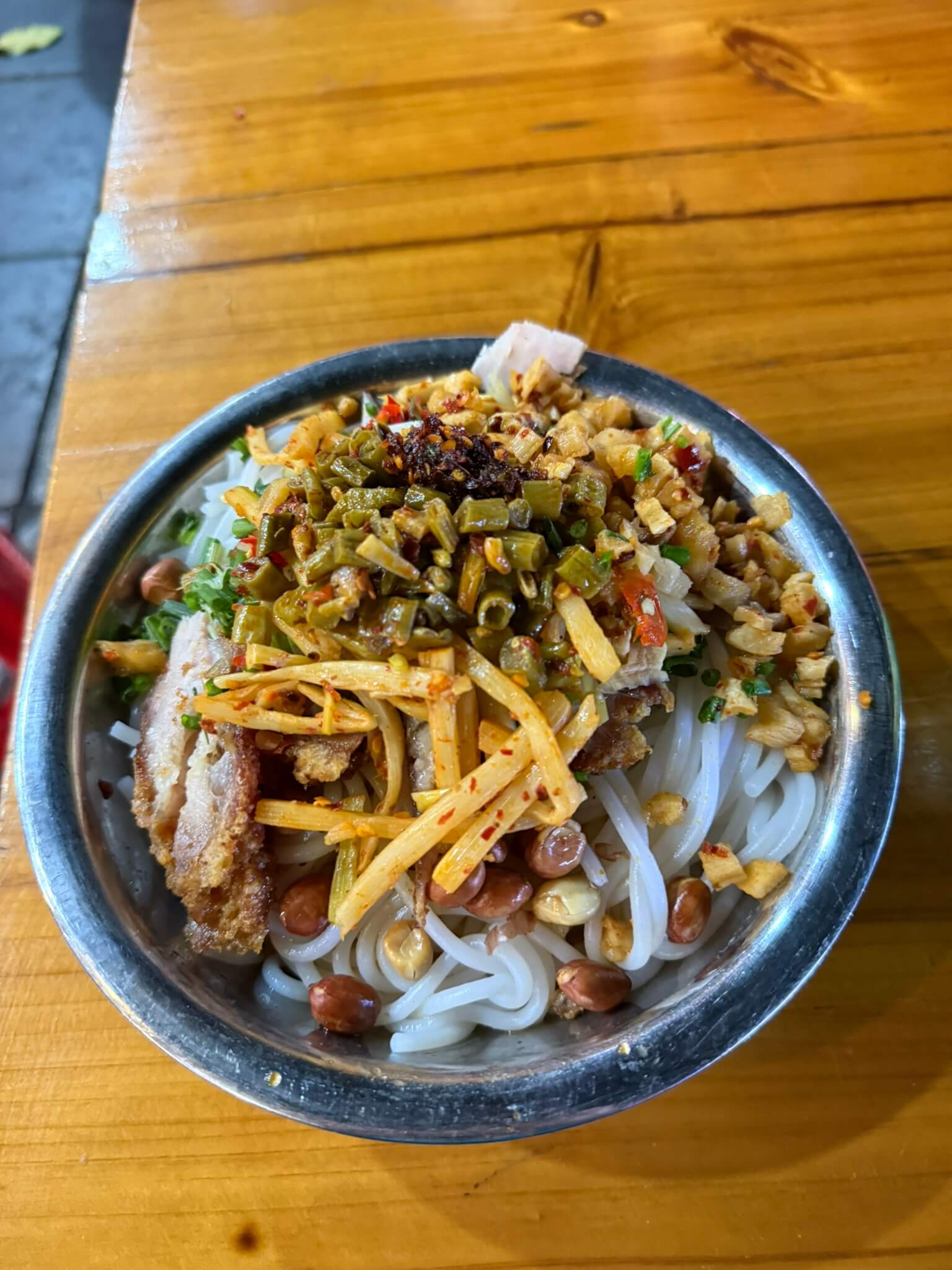
The rice noodle experience differs dramatically between Guilin city and Yangshuo. City noodles are delicious, cheap, and diverse; Yangshuo’s noodles offer no advantage in either price or taste. In the city, a medium serving of braised noodles is 6 yuan, a portion of crispy pork belly is 5 yuan — if prices are significantly higher, just try the next shop.
Guilin rice noodles arrive dry. I asked a local, and the proper way to eat them is to first toss them dry, then add broth when about a third remains, sipping soup while slurping noodles. Personally, I prefer adding broth right away — filling to about one-third of the noodle level — then adding an extra portion of crispy pork belly, extra pickled bamboo shoots, pickled radish, and roasted chili sauce, mixing everything thoroughly before digging in heartily.
One warning: go easy on the chili at first — start with a little, add more gradually. On my first night in Guilin, I misjudged the heat level and learned my lesson the hard way.